
A buyer's guide to Jagota's seafood products
Jagota supplies fresh, frozen, and live seafood to restaurants, hotels, and modern trade buyers across Thailand, sourcing from Thai waters as well as the Mediterranean, the North Atlantic, and the South Pacific. The catalogue runs from Chouten roasted unagi and live Maine lobster to pasteurized crabmeat, premium fish, and shellfish including oysters, scallops, and prawns. Jagota has operated in Thailand’s food import and distribution trade for more than 25 years, according to its listed portfolio work with Asia Media Studio, and now carries over 5,000 products across its full food range, seafood being one category among several.
A chef looking for consistent shellfish supply in Bangkok has more options than five years ago, and honestly the harder part now is figuring out which supplier actually matches your kitchen’s volume and species needs rather than finding a supplier at all. That’s the gap this piece tries to close.
What Seafood Products Does Jagota Offer
Jagota’s seafood range splits into a handful of clear categories rather than one undifferentiated list, which makes sense for a supplier serving both fine dining kitchens and modern trade retail. The site groups its offering as follows:
- Chouten Unagi, roasted eel sourced from Jagota’s own farm operation
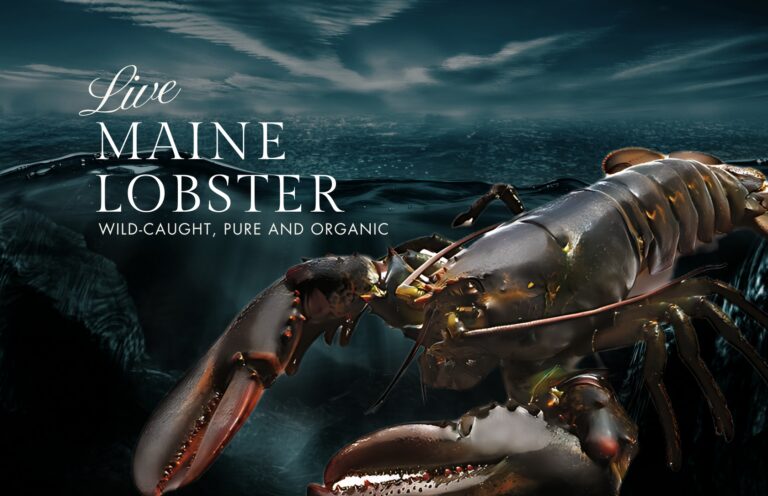
- Live Maine lobster, harvested from Canadian North Atlantic waters before moulting season when meat yield and protein are highest
- Pasteurized crabmeat, hand-selected and graded, using pasteurization rather than additives to hold freshness
- Premium fish, spanning Thai catches alongside European and Japanese varieties
- Premium shellfish from Japan, Europe, and the Americas, including lobsters, oysters, mussels, clams, scallops, and prawns
A buyer sourcing for a seafood-heavy menu will likely draw from at least three of these categories rather than one, since a raw bar program alone needs oysters, scallops, and crabmeat running in parallel.
How does Jagota source its seafood
Sourcing runs on two tracks: local and imported. Thai-water catches cover the fresh fish side of the business, while the imported line reaches into specific regions chosen for a particular species rather than a blanket “global sourcing” claim. Maine lobster comes specifically from Canadian North Atlantic waters, timed before moulting season for meat quality, and shellfish more broadly draws from Japan, Europe, and the Americas depending on the product. That regional specificity matters more than it sounds, because a lobster caught post-moult has noticeably thinner meat, and a supplier that times harvest around that detail is paying attention to something a lot of buyers wouldn’t think to ask about.
Where do Jagota's premium fish and shellfish come from
Premium fish spans Thai catches plus European and Japanese varieties, while shellfish sourcing reaches into Japan, Europe, and the Americas for lobsters, oysters, mussels, clams, scallops, and prawns. The split lets a kitchen mix a locally caught Thai fish on one part of the menu with an imported European or Japanese species on another, without switching suppliers.
Is Jagota's crabmeat pasteurized or fresh
Jagota’s crabmeat is pasteurized, not sold raw. The company sources it as Eastern Cove crabmeat, hand-selected and finely graded, then pasteurized to extend shelf stability and hold freshness without added preservatives. For a kitchen running crab cakes or a seafood salad at volume, pasteurized crabmeat is the more practical choice anyway, since raw crabmeat has a narrow window before texture and flavor start to drop off, and pasteurization buys time without resorting to chemical stabilizers.
Who buys Jagota's seafood products
Jagota positions its seafood line toward professional buyers rather than direct-to-consumer retail, per its own site copy describing the range as sourced to meet the standards of chefs and restaurants. In practice that points to three buyer types:
- Restaurants and hotel kitchens running seafood-forward menus, from raw bars to Japanese unagi dishes
- Catering operations needing consistent volume across live, fresh, and frozen formats
- Modern trade and retail buyers stocking premium seafood for supermarket or gourmet grocery shelves
A home cook can still access some of this through Jagota’s separate retail products line, but the seafood catalogue itself reads as B2B first.
What do reviews and industry sources say about Jagota
Independent coverage of Jagota tends to focus on the company’s broader food distribution footprint rather than seafood specifically, since seafood sits as one category inside a catalogue that also spans meat, dairy, bakery, and beverage. Asia Media Studio’s portfolio page on its work with Jagota cites the company at over 5,000 products, more than 25 years of experience, and 200-plus staff, framing it as a creative and innovative operator across Modern Trade, Food Service, and Catering. Bangkok’s food service scene runs heavily on word of mouth between chefs and purchasing managers, and directories such as thebestinbangkok.com are one of the places that kind of local reputation tends to surface for buyers doing early-stage supplier research. A growing share of that research now also runs through food and hospitality content creators connected via platforms like getmyinfluencer.com, which shapes which suppliers get named in kitchen conversations well before an RFP goes out.