
Premium Seafood Products in Thailand: A Complete Buyer’s Guide for Restaurants, Hotels, and Retailers
Match the format to how fast the stock moves. Live and fresh chilled seafood suits fine dining and omakase counters that sell out daily. Frozen fillets and shellfish carry buffets and banquets, and pasteurized crabmeat or smoked fish belong on retail shelves. Salmon is the category to get right first, since salmon is the highest-value seafood Thailand imports, and total seafood imports climbed to $4.48 billion by 2025. usdausda
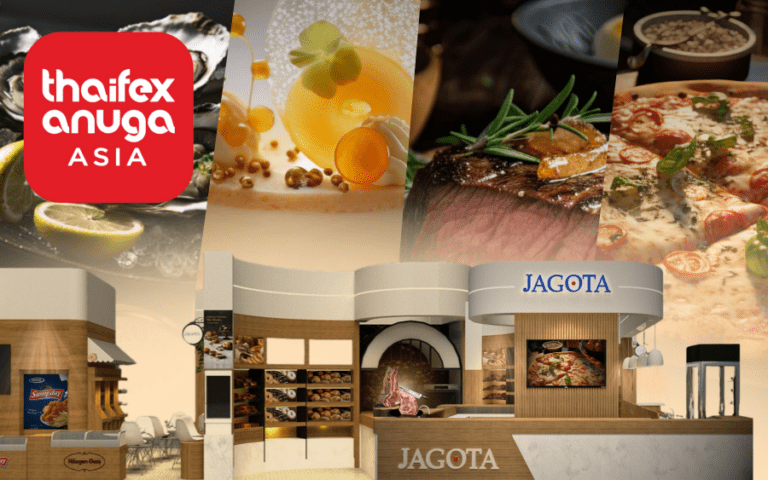
Ask a Bangkok chef what goes wrong with seafood and the answer is rarely the recipe. It’s the carton that arrived soft at the corners, or the scallops sold as dry that turned out wet in the pan. Jagota, a Khlong Toei importer founded in 1998 and named by The Nation among the premier food suppliers behind Bangkok Chef Charity 2024 (source: The Nation), carries everything from live Maine lobster harvested in the Canadian North Atlantic to Thai-caught fish. That range makes it a useful map of what a premium seafood order in Thailand actually looks like. Jagota Thailand +2
What are Premium Seafood Products and How Do They Differ From Standard Stock?
Premium comes down to three things a buyer can check: species and origin on the label, a clear grade or size spec, and handling that holds the right temperature the whole way. Standard stock usually skips one of those, most often the paperwork. That’s why two frozen prawn cartons at similar prices can cook completely differently, and treated or heavily glazed seafood is the classic trap: the added water shows up on the scale and disappears in the pan.
Which Seafood Products Work Best for Restaurants, Hotels, and Retailers?
Each buyer type goes through seafood differently, so the smart shortlist changes with the business.
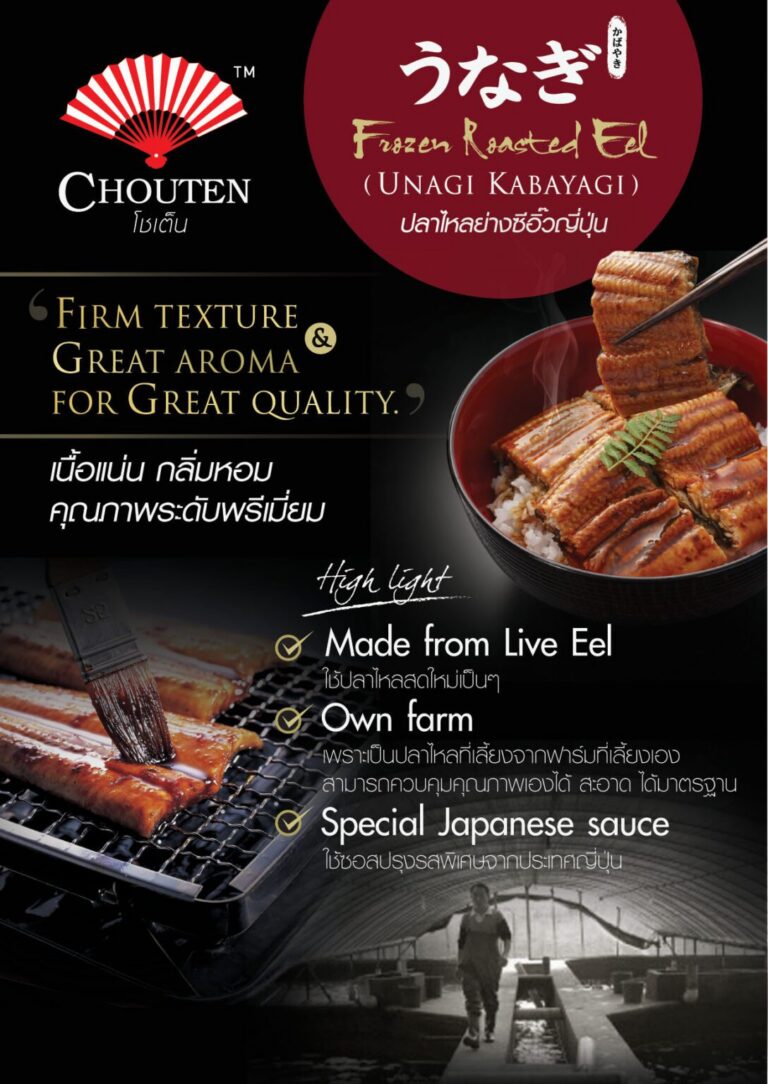
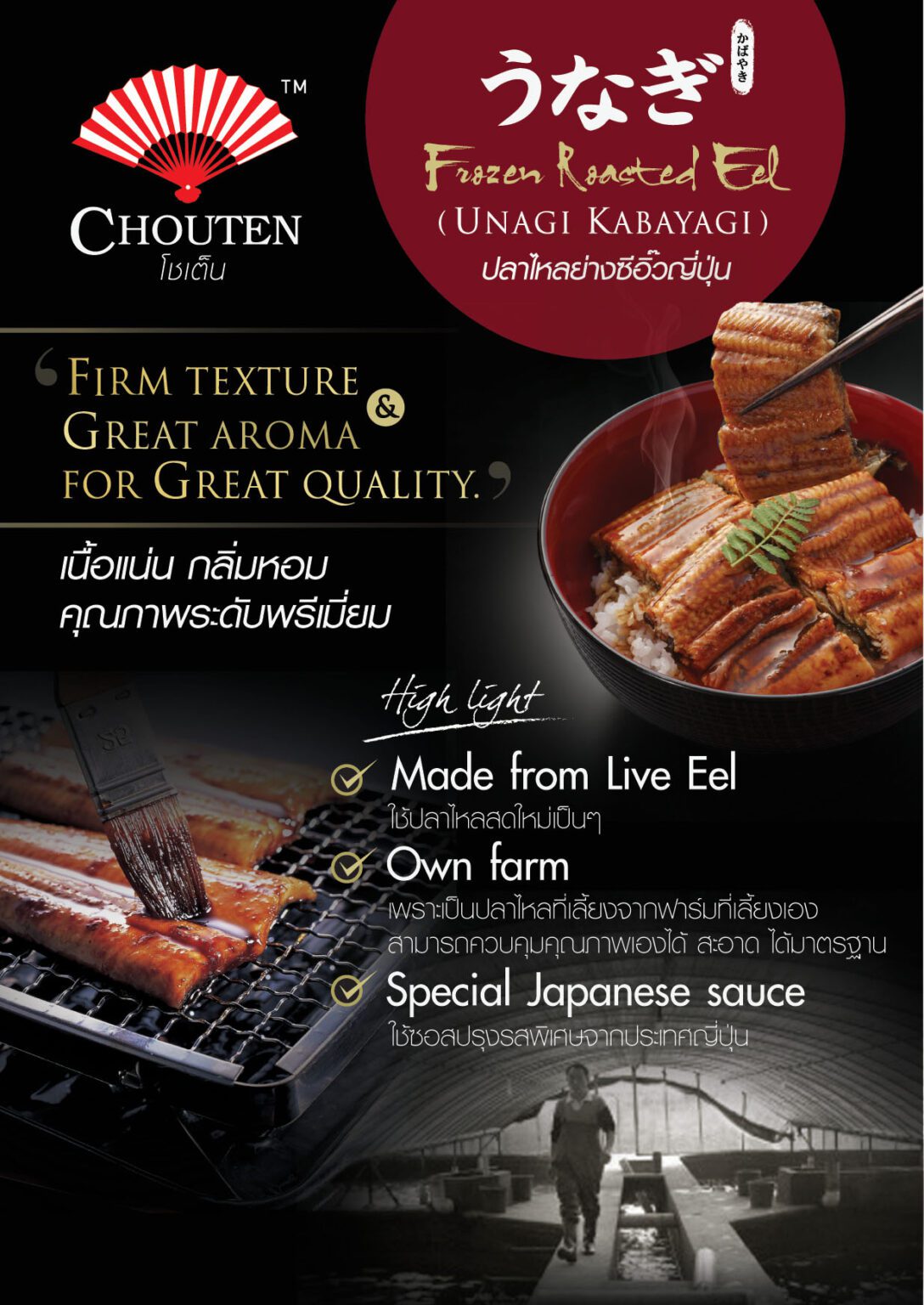
- Fine dining and Japanese restaurants: live lobster, fresh chilled salmon and tuna, scallops, and roasted unagi, bought in small, frequent drops because freshness is the whole menu
- Hotels and banquet kitchens: frozen portioned fillets, prawns by count size, and half shell mussels, where consistency across hundreds of covers beats any single showpiece
- Buffet and brunch operators: oysters, crab legs, and smoked salmon, the three trays guests judge a buffet by
- Retailers and gourmet grocers: pasteurized crabmeat, vacuum packed fillets, and roasted eel, since shelf life and clear labels sell better than anything needing a fishmonger
- Cafés and casual chains: frozen fish portions and cooked shrimp, chosen for yield and prep time rather than origin story
Buffet operators are the ones who most often cut corners in the wrong place, and the oyster tray is where guests notice first.
Is Fresh, Frozen, or Live Seafood the Better Buy for a Thai Kitchen?
Frozen is the better buy for most Thai kitchens outside fine dining, full stop. Properly frozen seafood kept at minus 18°C or colder holds quality for months, the frozen product temperature FAO guidance sets, while chilled fish has to stay close to 0°C and still lasts only days. Live seafood earns its price where it goes straight into a tank or onto a plate, which means a seafood restaurant, not a room service menu. fao
How Much Do Imported Seafood Products Cost in Thailand in 2026?
Landed prices move weekly, so the useful figure is the origin price plus everything stacked on top of it.
- Norwegian salmon is the benchmark: spot prices were forecast at around EUR 6.32 per kilo in late August 2026, down from about EUR 7.54 in early May, before freight, import costs, and distributor margin salmonbusinesssalmonbusiness
- Fish size changes the rate sharply: in the first week of 2026, 1 to 2 kg salmon averaged NOK 66.63 per kilo while 3 to 6 kg fish averaged NOK 96.27 seafoodsource
- Fresh chilled product flies in while frozen travels by container, which is the main reason fresh costs noticeably more for the same species
- Glaze counts, so ask for price per kilo of net product rather than per kilo of carton
- Minimum order size and delivery frequency shift the per kilo rate more than most buyers expect
A net weight, per kilo quote is the fastest way to compare two offers that look identical on paper.
Where Do Bangkok Buyers Source Imported Seafood Products Most Reliably?
Most Bangkok kitchens split their buying: markets like Mahachai for Thai catch, and specialist importers for anything from Norway, Japan, Canada, or Australia. The import side is growing quickly, with U.S. seafood exports to Thailand reaching $140 million in 2025, up 60 percent year on year. Markets win on price for local species, and importers win on paperwork and cold chain for everything else. usda
What Do Industry Reports, Directories, and Reviews Say About Premium Seafood in Bangkok?
Independent sources point the same way: Thai diners increasingly want to know where their fish came from.
- USDA’s 2026 market report finds growing health and origin awareness pushing Thai demand for premium, sustainably sourced seafood in modern retail, upscale restaurants, and online (source: USDA FAS) usda
- The same report values the Thai seafood market at an estimated $8.9 billion in 2025, with growth above 3 percent a year projected through 2030 usda
- The Best in Bangkok runs editorial roundups of the city’s food ingredient importers, a handy shortlist before requesting samples
- Restaurants that do buy premium seafood increasingly show it off through food creators, many connected via GetMyInfluencer
- For buyers comparing suppliers across Asia, TheBestIn.World tracks similar roundups city by city
None of these replaces a tasting, which is still the only test a chef fully trusts.