

How Can I Use Semolina for Perfect European Bread and Pastries?
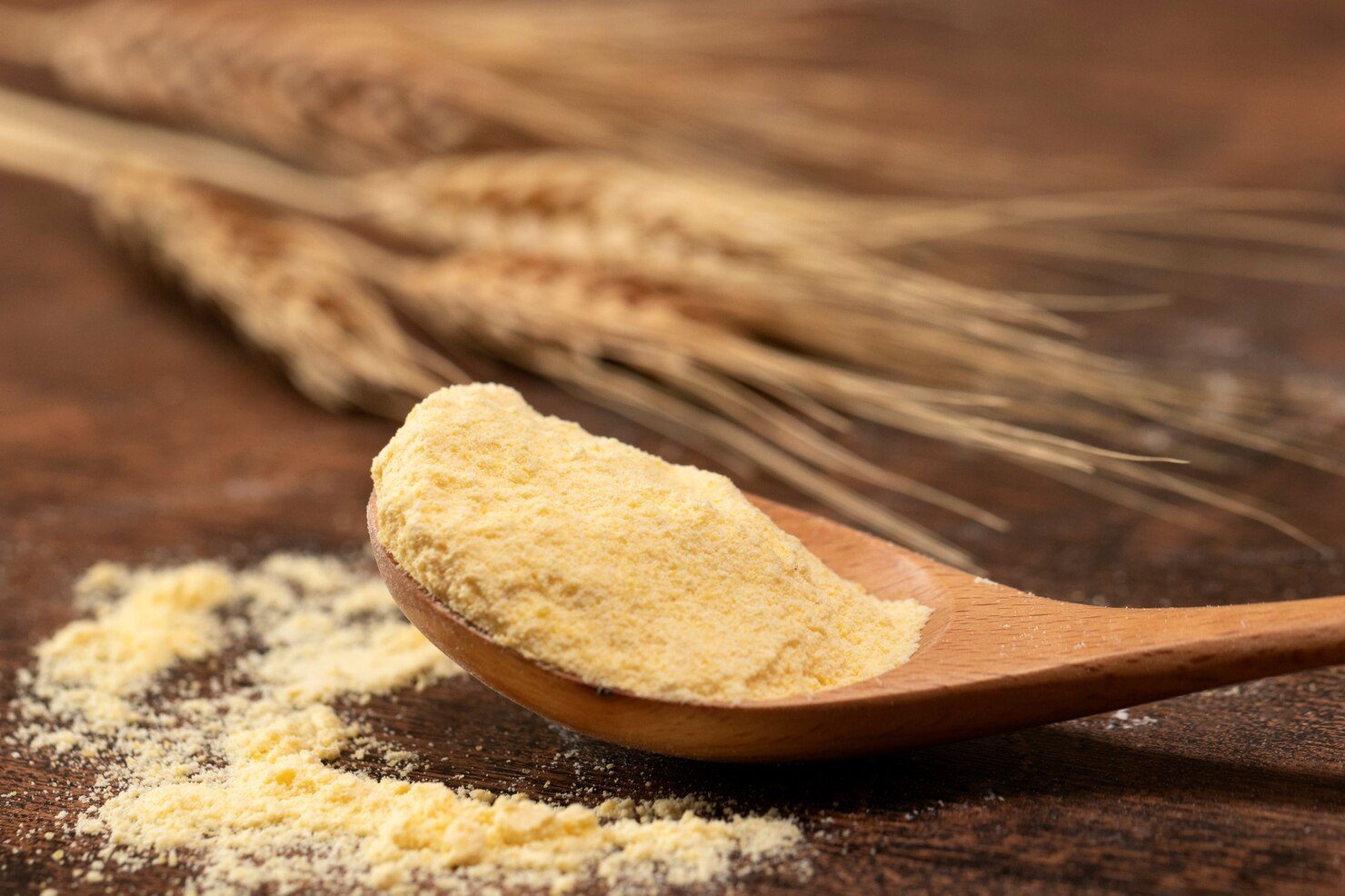
Semolina is a staple ingredient in many classic European recipes, yet many bakers are unsure how to use it correctly. Whether you run a professional bakery or bake at home, understanding what is semolina and how it works with flour is key to achieving authentic textures in European food.
What Is Semolina? (Semolina)
Semolina is flour milled from durum wheat, known for its coarse texture and high protein content. It is widely used in European baking and cooking because it provides structure, bite, and a distinct golden color.
In European food traditions, semolina is valued for its strength and versatility in both bread and pastries.
How Is Semolina Different from Regular Flour?
Although both are forms of flour, semolina behaves very differently during baking.
Feature | Semolina | Regular Flour |
Wheat Type | Durum wheat | Soft or hard wheat |
Texture | Coarse | Fine |
Protein | High | Medium to low |
Best For | European bread, pastries | Cakes, soft bread |
Using semolina correctly can elevate bakery products by improving texture and structure.
Why Is Semolina Popular in European Bread Baking?
Semolina is widely used in European food because it:
- Provides a firm yet airy crumb
- Enhances crust crispness
- Improves dough strength
- Adds a subtle nutty flavor
Many European bakeries rely on semolina to achieve traditional bread textures that standard flour alone cannot deliver.
Which European Breads Use Semolina?
Semolina is commonly used in:
- Italian semolina bread
- Sicilian-style loaves
- Durum wheat rolls
- Rustic European bread blends
In bakery production, semolina is often combined with other flour types to balance softness and structure.
Can Semolina Be Used for European Pastries?
Yes, semolina is frequently used in European pastries for texture and stability.
Popular European food applications include:
- Semolina cakes
- Custard-based pastries
- Tarts and baked desserts
- Traditional Mediterranean sweets
Semolina helps pastries hold shape while delivering a rich mouthfeel.
How Should Semolina Be Mixed with Flour?
For best results, semolina should be blended with flour rather than used alone.
Common ratios used in bakery recipes:
- 20–30% semolina + 70–80% flour for bread
- 10–20% semolina + flour for pastries
- Small amounts for dusting baking surfaces
This balance ensures dough remains workable while retaining authentic European texture.
Does Semolina Affect Dough Hydration?
Yes. Semolina absorbs more water than regular flour.
When baking with semolina:
- Increase hydration slightly
- Allow longer resting time
- Expect firmer dough initially
Proper hydration is essential for achieving consistent bakery results.
What Texture Does Semolina Add to Baked Goods?
Semolina contributes:
- Chewy yet light bread crumb
- Crisp outer crust
- Structured pastries
- Enhanced bite in European food recipes
This makes semolina ideal for artisan and professional bakery use.
Is Semolina Suitable for Professional Bakeries?
Absolutely. Semolina is widely used in commercial bakery settings because it:
- Improves product consistency
- Enhances shelf stability
- Supports high-volume production
- Meets traditional European standards
Professional bakeries rely on high-quality semolina for predictable results.
How Do European Chefs and Bakers Use Semolina?
In European food preparation, semolina is often:
- Used as a base flour blend
- Sprinkled on baking trays to prevent sticking
- Incorporated into pastry fillings
- Selected for premium bakery items
Its versatility makes it essential in authentic European baking.
How Do European Chefs and Bakers Use Semolina?
In European food preparation, semolina is often:
- Used as a base flour blend
- Sprinkled on baking trays to prevent sticking
- Incorporated into pastry fillings
- Selected for premium bakery items
Its versatility makes it essential in authentic European baking.
Why Choose Jagota for Semolina and Bakery Ingredients?
Jagota supplies high-quality ingredients trusted by professional chefs and bakeries across Asia. With deep expertise in European food ingredients, Jagota ensures consistent quality semolina and flour for bakery applications.
Choosing Jagota means access to premium ingredients that meet international baking standards.
Final Thoughts: Mastering European Baking with Semolina
Understanding what is semolina and how to use it correctly can transform your bread and pastries. Whether you’re baking rustic European loaves or refined desserts, semolina brings structure, texture, and authenticity to every bake.
With the right flour blend and technique, semolina becomes an essential ingredient in any serious bakery.