
Imported Meat in Thailand: What to Know and Why Quality Matters
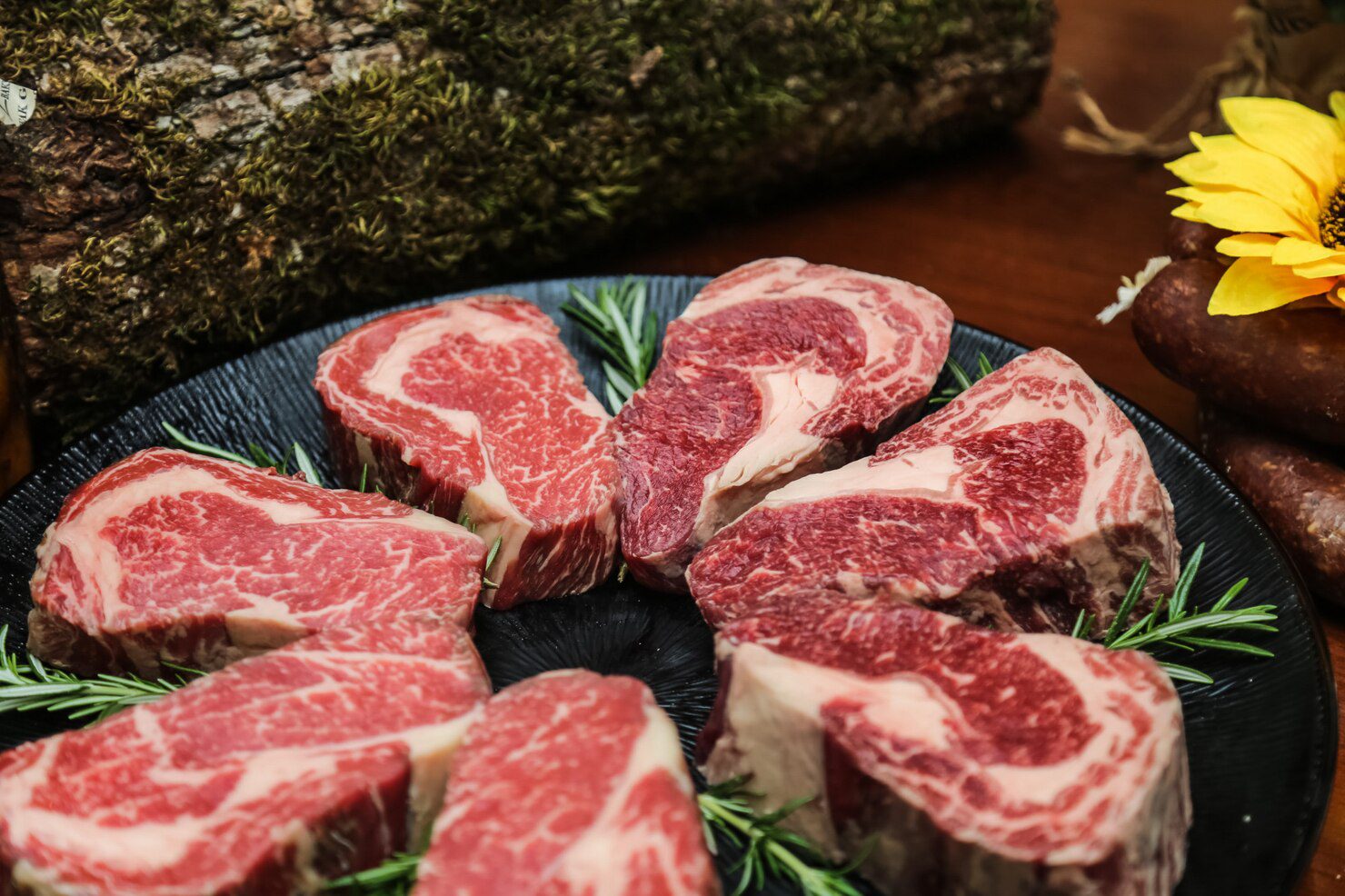
Imported meat refers to meat products sourced from international producers and brought into Thailand under strict food safety and import regulations. These meats are typically selected for their superior quality, consistency, and traceability, making them a preferred choice for hotels, restaurants, and premium food service businesses.
Why Do Businesses Choose Imported Meat Over Local Options?
Many food professionals choose imported meat because it offers:
- Consistent quality and cuts
- Reliable supply standards
- Clear origin and traceability
- Specialized breeds and feeding practices
For chefs and procurement teams, imported meat delivers predictable results in taste, texture, and presentation.
What Types of Imported Meat Are Commonly Used in Thailand?
In Thailand’s food service industry, imported meat commonly includes:
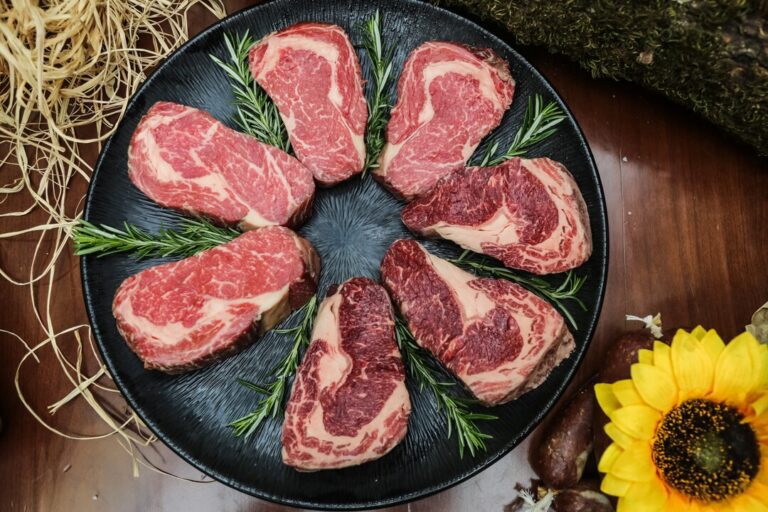
- Premium beef cuts
- Lamb and specialty meats
- Pork and poultry from approved international farms
These meats are widely used in fine dining, hotels, upscale restaurants, and catering operations that require consistent portioning and performance.
How Is Imported Meat Regulated in Thailand?
Imported meat in Thailand is subject to:
- Government import approvals
- Cold-chain handling requirements
- Food safety and hygiene standards
- Documentation for origin and quality
These regulations help ensure that imported meat meets Thailand’s safety and quality expectations before reaching businesses and consumers.
Is Imported Meat Safer or Higher Quality?
Quality and safety depend on sourcing and handling. High-quality imported meat typically comes from producers that follow:
- International farming standards
- Controlled processing environments
- Strict cold-chain logistics
When sourced from trusted suppliers, imported meat offers reliability that supports professional kitchen operations.
Who Uses Imported Meat in Thailand?
Imported meat is commonly used by:
- Hotels and resorts
- Fine dining and premium restaurants
- Airline catering and event catering companies
- Food distributors and retailers
These businesses rely on imported meat to maintain menu consistency and meet customer expectations.
How Should Imported Meat Be Stored and Handled?
Proper handling of imported meat is essential to maintain quality. Best practices include:
- Continuous cold-chain storage
- Controlled thawing processes
- Hygienic handling in professional kitchens
Correct storage ensures imported meat retains its texture, flavor, and safety.
How Do You Choose a Reliable Imported Meat Supplier in Thailand?
Choosing the right supplier for imported meat involves checking:
- Product traceability and certifications
- Cold-chain logistics capability
- Range of imported meat options
- Industry reputation and experience
A reliable supplier ensures consistency, safety, and long-term supply stability.
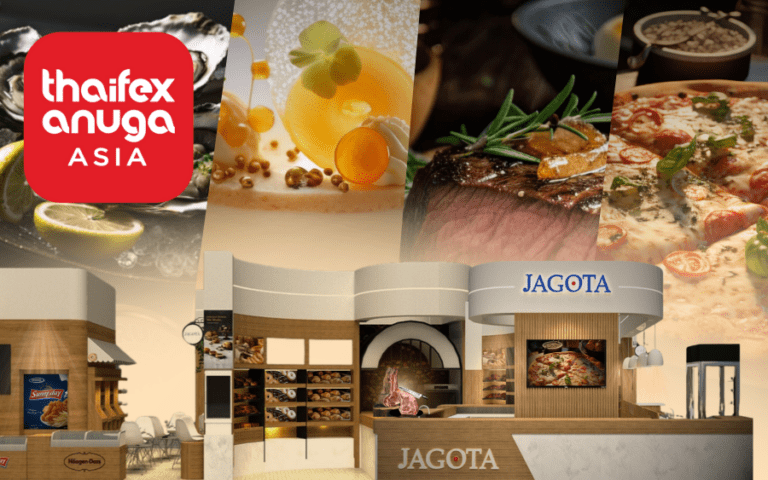
Why Jagota Thailand Is a Trusted Name for Imported Meat
Jagota Thailand is a trusted supplier of imported meat, supporting food service professionals with:
- Carefully sourced international meat products
- Strong cold-chain and logistics standards
- Reliable supply for hotels, restaurants, and caterers
Jagota Thailand focuses on quality, consistency, and long-term partnerships within the food industry.
What Should Businesses Consider Before Switching to Imported Meat?
Before using imported meat, businesses should consider:
- Menu requirements and portion control
- Storage and handling capabilities
- Supplier reliability and support
With the right supplier, imported meat becomes a valuable asset for maintaining quality and efficiency.
Final Thoughts: Imported Meat for Professional Kitchens
Imported meat plays an essential role in Thailand’s premium food service sector. With consistent quality, reliable sourcing, and professional handling, imported meat supports chefs and businesses in delivering high standards. Partnering with an experienced supplier like Jagota Thailand helps ensure quality from source to service.