
How Bangkok Restaurants Choose Authentic Japanese Wagyu Suppliers
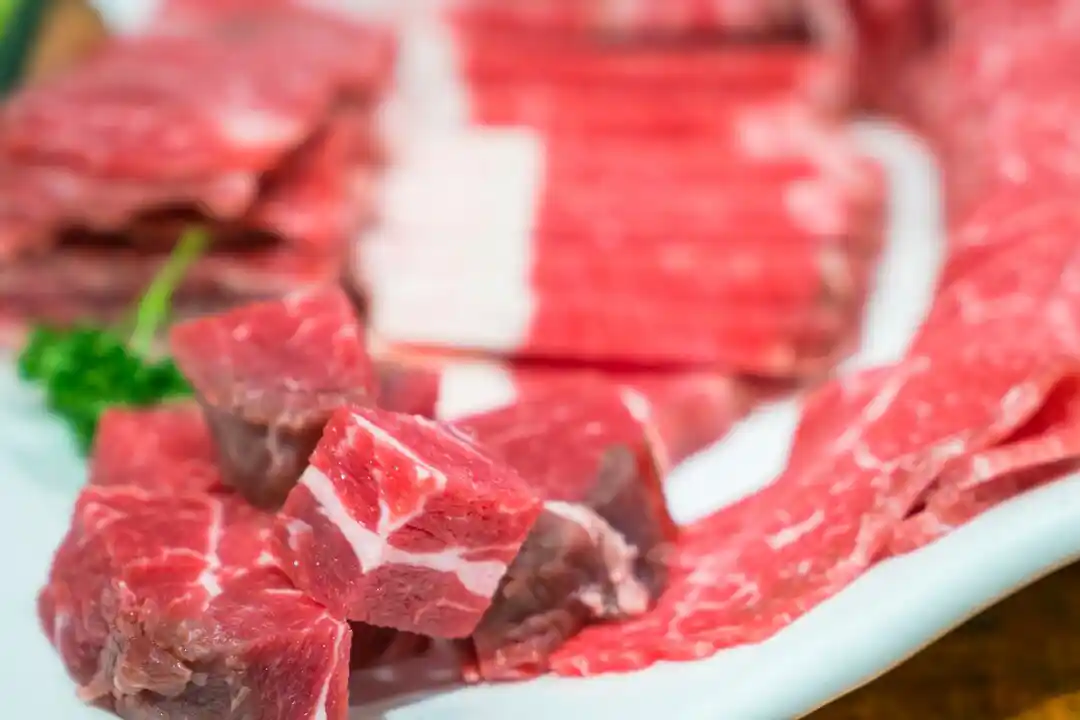
Bangkok restaurants choose wagyu bangkok suppliers by checking three things above all else: verifiable JMGA certification with a traceable cattle identification number, a named prefecture of origin, and a documented cold chain from Japanese slaughterhouse to Bangkok kitchen. Restaurants that skip this vetting are usually the ones later caught serving mislabeled beef.
Sourcing wagyu is not like sourcing most other proteins. There is a real fraud problem in the global trade, and Bangkok’s kitchens have had to get sharper about it than they used to be. Jagota works with restaurants across the city that have learned this the hard way, either through a bad batch or a supplier who could not produce paperwork when asked.
What Documentation Should A Bangkok Kitchen Ask From A Wagyu Supplier?
Any restaurant serious about serving genuine Japanese wagyu needs paperwork before it needs marketing claims. Certification is where the conversation with a supplier should start, not end.
- A certificate from the Japan Meat Grading Association, since authentic A5 wagyu comes with an official certificate from the JMGA that includes a ten digit individual identification number assigned to the specific animal
- Named prefecture of origin, since different prefectures produce distinct flavor profiles, with Miyazaki tending toward bold umami, Hyogo producing elegant sweetness, and Kagoshima offering rich depth at relative value
- A stated BMS marbling score rather than just the letter grade, since a single A5 label can still span a wide range of marbling intensity
- Import and customs clearance records showing the shipment legally entered Thailand
Kitchens that ask for this upfront tend to build longer, more reliable supplier relationships than those that simply trust a label.
Why Is Wagyu Fraud A Real Concern For Bangkok Restaurants?
Fraud in this category is not hypothetical. Documented cases show lower grade product misrepresented as A5, Australian wagyu sold as Japanese, and certificates outright forged, which is precisely why restaurants that care about reputation now build verification into their purchasing process rather than treating it as optional paperwork.
Which Wagyu Varieties Do Bangkok Suppliers Typically Import?
Bangkok’s supply chain has diversified well beyond a single Japanese import category. Kitchens now choose from a genuine spread of options depending on menu positioning and budget.
- Japanese A5 and A4 wagyu from named prefectures, anchoring the premium end of most steakhouse and teppanyaki menus
- Named regional brands such as Kobe beef and Matsusaka beef, each carrying its own additional certification requirements beyond the standard JMGA grade
- Australian wagyu crossbreeds, generally positioned as a mid tier volume option distinct from Japanese product
- Thai wagyu hybrids raised domestically, increasingly used by butcher led restaurants targeting a lower price point without losing the wagyu label entirely
Mixing these categories under one undifferentiated menu heading is where a lot of confusion, and occasional complaint, tends to start.
How Do Bangkok Restaurants Vet A New Wagyu Supplier Before Committing?
Most established restaurants run a trial order before signing any long term agreement. They will typically request sample certification documents, cross check the cattle identification number where possible, and ask directly which slaughterhouse processed the shipment. A supplier who hesitates on any of these points, particularly the traceability number, tends to get dropped quickly regardless of price.
What Role Do Distributors Like Jagota Play In Bangkok's Wagyu Supply Chain?
Distributors sit between the Japanese export system and the Bangkok kitchen, and their job is largely one of translation and trust. Jagota has operated in Thailand’s premium food sourcing space since 1997, working across meat, seafood, and Japanese ingredient categories for chefs and catering operations that need consistent, verifiable supply rather than a one time novelty shipment.
Are Bangkok Diners Starting To Ask Restaurants About Their Wagyu Sourcing?
More diners are, particularly the ones who have eaten wagyu in Japan and know what genuine marbling and texture should feel like. Restaurants that can speak confidently about prefecture, grade, and supplier tend to earn repeat business from this group, while those that answer vaguely tend to lose it just as fast.