
Frozen Fruit vs Fresh Fruit: What Thailand's Chefs Prefer for Modern Foodservice
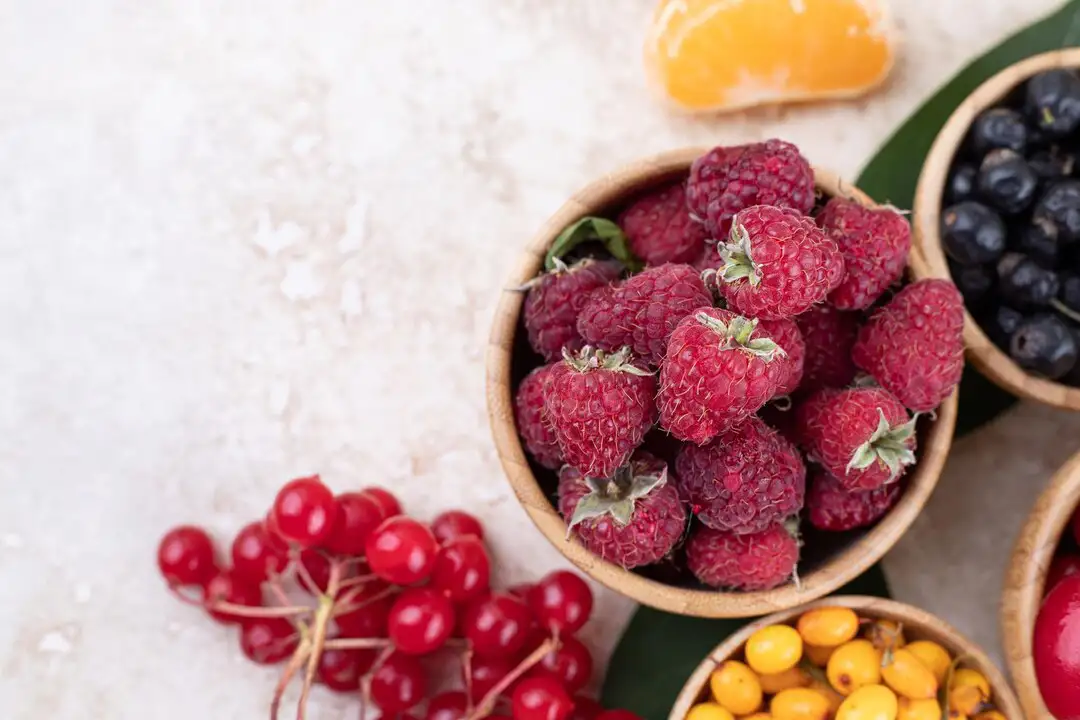
Most Thai chefs don’t pick one over the other entirely, they split their menu by application. Frozen fruit dominates anywhere the fruit gets blended, cooked, or reduced, while fresh fruit still wins for raw, visible presentations like garnishes and fruit platters. The split isn’t about preference so much as practicality, since frozen fruit removes seasonal price swings and spoilage risk for the dishes where raw texture doesn’t matter anyway. Chefs who’ve worked both ways tend to land on a hybrid approach rather than an absolute one.
Jagota’s frozen fruit clients across Thailand reflect this pattern consistently. Kitchens rarely go all-in on frozen, but the ones using it strategically tend to run tighter, more predictable operations than kitchens still sourcing everything fresh, day by day.
When Do Thai Chefs Choose Frozen Fruit Over Fresh
Frozen wins whenever the fruit’s final form doesn’t depend on its raw appearance. Smoothies, sauces, compotes, jams, and baked fillings all fall into this category, since the fruit gets transformed before it reaches the plate anyway. In these applications, a frozen strawberry and a fresh strawberry produce a nearly identical result, but the frozen version arrives at a stable price and doesn’t risk spoiling before use.
When Do Chefs Still Insist on Fresh Fruit
Fresh fruit holds its place in dishes where texture and appearance are the point. A fruit platter, a garnish on a dessert plate, or a salad built around sliced fruit needs the firmness and visual quality that only fresh produce delivers. No frozen product fully replicates a freshly cut mango’s texture once it’s thawed, and chefs who’ve tried cutting corners here usually hear about it from guests fairly quickly.
Does Freezing Change the Nutritional Value of Fruit?
Not significantly, in most cases. Fruit frozen shortly after harvest often retains comparable nutrient levels to fresh fruit that’s been transported and stored for days before reaching a kitchen. The bigger nutritional risk with fresh fruit is actually the delay between harvest and use, not the freezing process itself.
How Do Cost and Waste Factor Into the Decision
Three considerations come up repeatedly when chefs explain their choice.
- Frozen fruit reduces waste because it’s portioned and used as needed rather than purchased whole and partially discarded
- Fresh fruit carries higher labor cost since it needs washing, peeling, and cutting before use
- Frozen fruit pricing stays steadier across seasons, while fresh fruit cost can spike sharply during off-season periods
None of this means frozen always wins on cost. A kitchen using small amounts of fresh fruit as garnish isn’t spending much regardless, but a kitchen running high-volume blended drinks or sauces feels the price swings of fresh fruit much more acutely.
Can a Kitchen Mix Frozen and Fresh Fruit on the Same Menu?
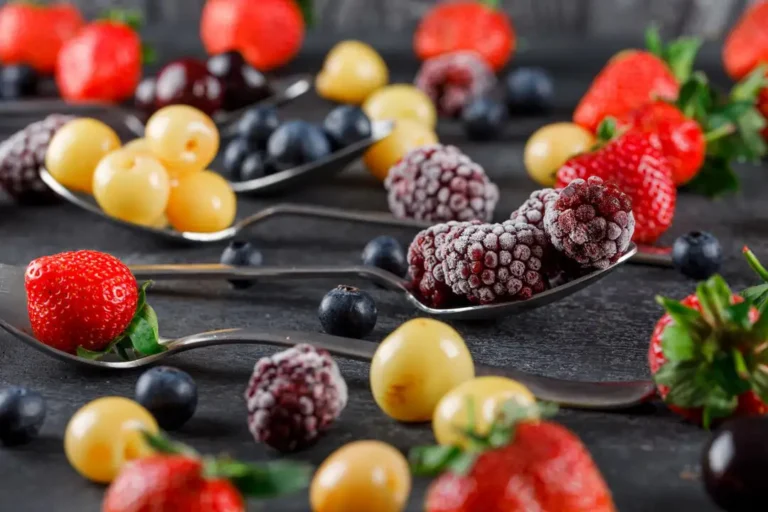
Easily, and most do. A café might use frozen mixed berries for its smoothie base while keeping fresh strawberries on hand for a dessert garnish that customers actually see before eating. The split usually mirrors exactly the line described earlier: frozen where the fruit transforms, fresh where it stays visible.
What Are Chefs Saying in Public Discussions About This Trade-Off
Culinary forums and chef-focused Facebook groups in Thailand regularly debate this topic, and the conversation has shifted noticeably over the past few years. Threads on platforms like r/Cooking show professional and home cooks alike increasingly defending frozen fruit’s role in cooked applications, often pushing back against the older assumption that frozen automatically means lower quality. That shift in sentiment seems to track with broader market data showing the processed and frozen fruit category in Thailand growing around 3.5% in volume in 2025, suggesting chefs and consumers are moving in the same direction at roughly the same pace.
How Should Chefs Decide Which Frozen Fruit Supplier to Use
The application should drive the sourcing decision, not the other way around. A chef should test a supplier’s frozen fruit specifically in the application it’s meant for, whether that’s a blended drink, a baked filling, or a sauce, rather than judging it raw and thawed. Jagota supplies frozen strawberries, blueberries, kiwi, and mixed berry blends to chefs and foodservice operators across Thailand, with product specifications built around the cooked and blended use cases where frozen fruit performs best.
References:
- Statista Market Insights, Processed & Frozen Fruits Thailand: https://www.statista.com/outlook/cmo/food/fruits-nuts/processed-frozen-fruits/thailand
- Future Market Insights, ASEAN Frozen Food Market: https://www.futuremarketinsights.com/reports/asean-frozen-food-market
- Jagota Frozen Fruits & Vegetables product page: https://www.jagota.com/products/frozen-fruits-vegetables/