
The Growing Demand for Imported Frozen Fruit in Thailand's Beverage Industry
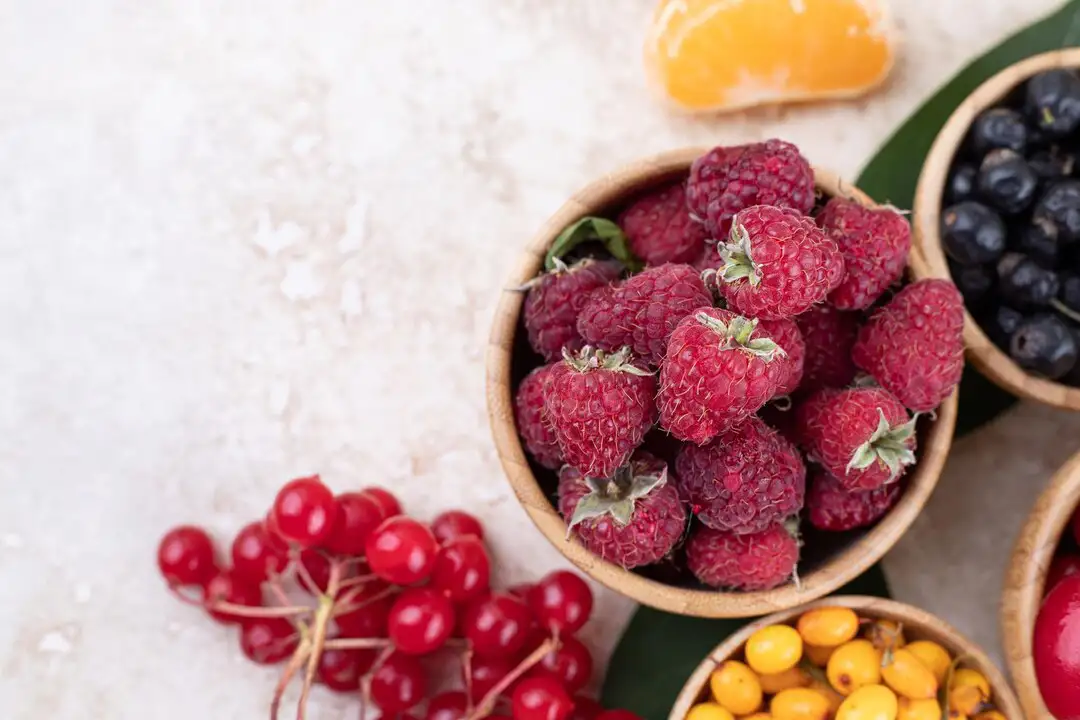
Thailand’s beverage scene, from bubble tea chains to cocktail bars, has built menus around fruit flavors that simply don’t grow locally, like blueberries, raspberries, and certain mixed berry blends. Imported frozen fruit fills that gap, and it does so without the spoilage risk of flying in fresh produce. Demand has grown alongside the broader frozen food category, which the ASEAN region expects to expand at roughly 8.9% annually through 2035. For beverage operators, frozen imported fruit has quietly become a core supply chain decision rather than a niche import.
Jagota has tracked this shift closely, since beverage and café clients now represent a meaningful share of the frozen fruit demand the company sees across its Thailand operations.
Why Are Thai Beverage Brands Turning to Imported Frozen Fruit
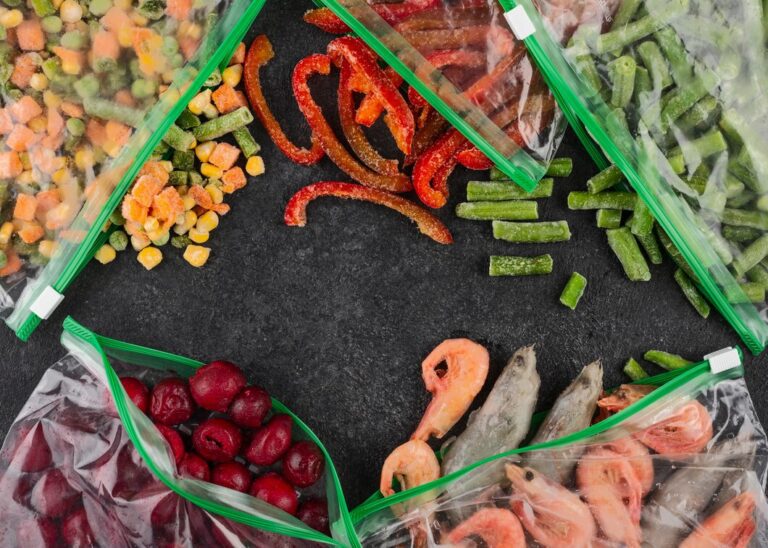
Local tropical fruit covers mango, pineapple, and dragon fruit well, but it doesn’t cover blueberries, raspberries, or certain berry blends that Thai consumers have come to expect on smoothie and bubble tea menus. Importing these fresh would mean accepting short shelf life and high spoilage after long transit. Importing them frozen solves that problem at the source, since the fruit is frozen near harvest and stays stable through the entire shipping and storage process.
What Beverage Categories Use Imported Frozen Fruit Most
Smoothies and bubble tea drive most of the volume, but the category is broader than that.
- Smoothie and juice bars blending berries into bases that need bright color and consistent sweetness
- Cocktail and mocktail programs using purées for flavor profiles unavailable from Thai-grown fruit
- Bakery-adjacent beverage concepts, like fruit teas and dessert drinks, that rely on berry compotes
What ties these together is that none of them need the fruit’s raw appearance. The fruit gets blended, muddled, or reduced, which means frozen performs exactly as well as fresh while solving the import logistics problem at the same time.
Is Imported Frozen Fruit More Expensive Than Local Alternatives?
It depends on the fruit type, but for varieties that don’t grow in Thailand at all, there’s no real local alternative to compare against. The more useful comparison is imported frozen versus imported fresh, and frozen usually wins there because air-freighted fresh berries carry both higher shipping cost and higher spoilage loss, both of which get passed on to the buyer eventually.
How Does Thailand's Beverage Market Size Support This Demand
Thailand’s broader food market is projected to reach $73.50 billion in 2025, expanding at roughly 4.99% annually through 2030, and beverage concepts represent a fast-growing slice of that. With online food and grocery delivery growing rapidly alongside this, beverage brands are also scaling faster than before, which means ingredient supply needs to scale with them. A bubble tea chain opening ten new outlets this year can’t depend on inconsistent fresh berry shipments arriving on time for every location. SustaSusta
Where Do Most Thai Beverage Brands Source Their Frozen Fruit From
Sourcing varies, but most imported frozen berries used in Thai beverage programs come from large-scale growing regions in Europe, North America, and parts of South America, where fruit is frozen close to the point of harvest. The supply chain from there runs through importers who manage cold storage and distribution into Thailand’s foodservice market.
What Online Discussion Reveals About Frozen Fruit in Thai Beverage Trends
Conversations among Thai café entrepreneurs on platforms like r/ThailandTourism and local F&B Facebook groups frequently mention sourcing reliable berry suppliers as a recurring pain point for new beverage concepts. Quora threads on starting a bubble tea business in Southeast Asia also surface this repeatedly, with several answers pointing new operators toward frozen fruit suppliers rather than attempting fresh imports. It’s a practical detail that doesn’t get much attention in beverage industry press coverage but comes up constantly among people actually running these businesses.
What Should Beverage Brands Look for in a Frozen Fruit Supplier
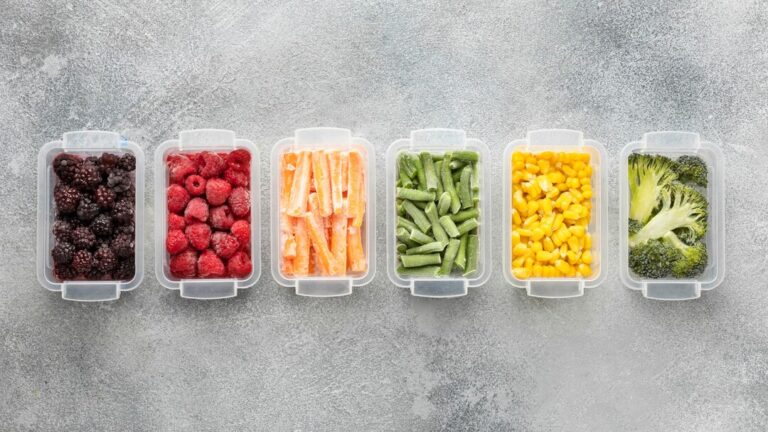
Reliable cold chain handling from import through delivery matters most, followed closely by consistent fruit grading so drink color and flavor don’t shift batch to batch. Jagota supplies frozen strawberries, blueberries, kiwi, and mixed berry blends into Thailand’s foodservice and beverage sector, with sourcing built to support the kind of multi-location consistency that growing beverage chains need. A supplier who can’t explain their cold chain process clearly is usually one who hasn’t had to defend it under pressure yet.
References:
- USDA/SUSTA Thailand Exporter Guide 2025: https://www.susta.org/downloads/files/REPORTSgains/Exporter%20Guide%20Annual_Bangkok_Thailand_TH2025-0020.pdf
- Future Market Insights, ASEAN Frozen Food Market: https://www.futuremarketinsights.com/reports/asean-frozen-food-market
- Jagota Frozen Fruits & Vegetables product page: https://www.jagota.com/products/frozen-fruits-vegetables/