
Are Frozen Veggies Actually Good for You? A Quick Answer
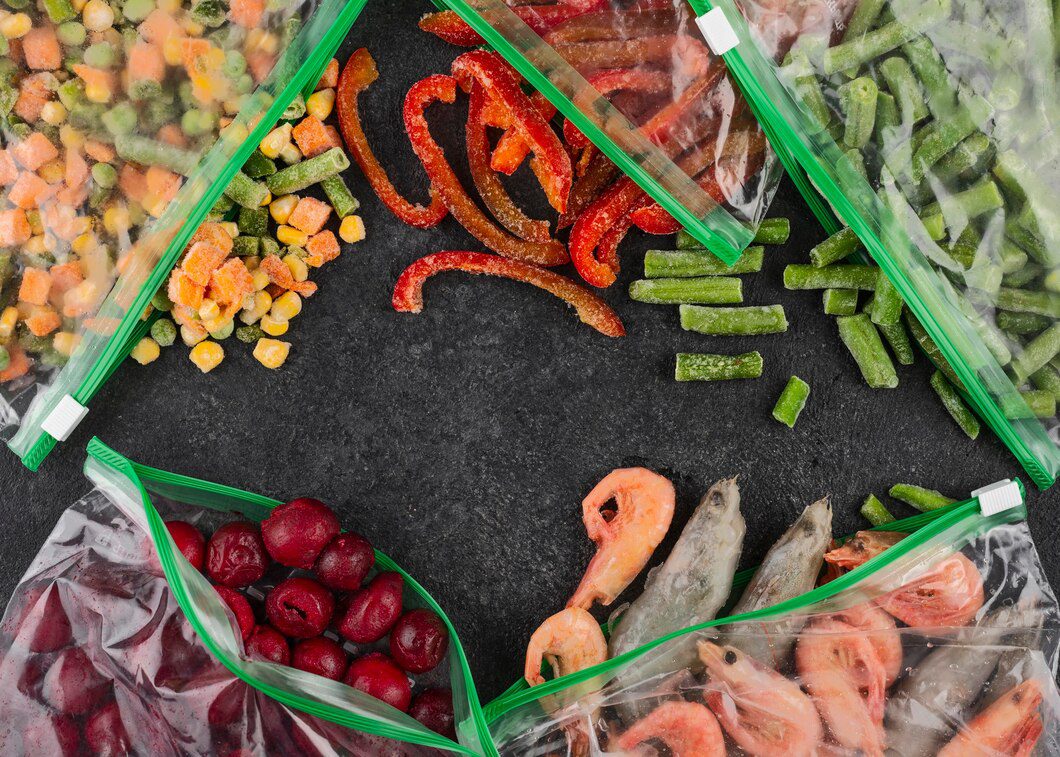
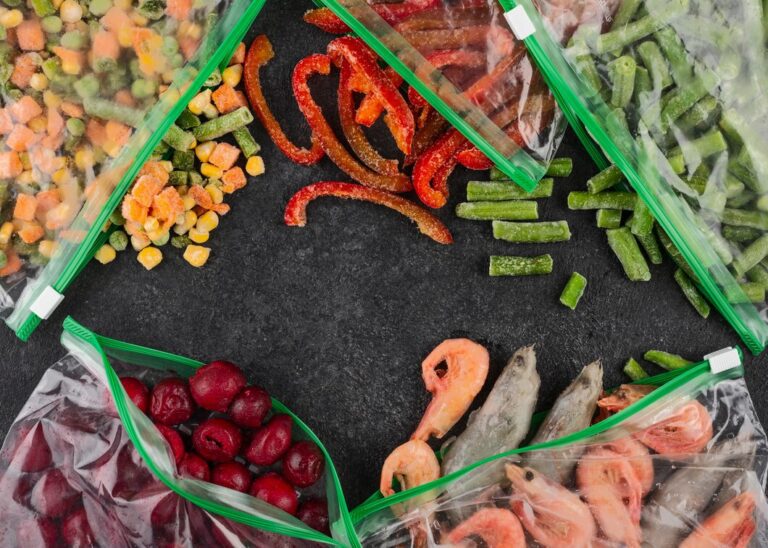
Yes. Frozen vegetables are picked and frozen close to harvest, which means they skip the days of transport and fridge storage that slowly drain nutrients from fresh produce. Research comparing the two head to head has repeatedly found no meaningful nutritional disadvantage in frozen vegetables, and in several vitamin comparisons the frozen option actually tested higher.
Are Frozen Veggies Actually Good for You
Frozen vegetables are good for you, full stop, and the science backs that up more consistently than most people expect. Nutritionally, fresh and frozen vegetables are very similar, and studies have found no consistent differences between them. The idea that fresh is always the healthier choice is more marketing instinct than fact. What actually determines nutritional value is how long the vegetable sat around before you ate it, not whether it passed through a freezer.
Do Frozen Vegetables Lose Nutrients When Frozen
Some loss happens, but it’s smaller and slower than the loss fresh produce experiences on a supermarket shelf. Fresh vegetables lose nutrients over time from exposure to air, light, and heat, and if they travel long distances or sit in a fridge for days they can lose a meaningful share of their original vitamin content. Frozen vegetables, by contrast, are locked in near harvest and stay largely stable in the freezer. The blanching step before freezing does cause some vitamin C loss, but that’s a one time hit rather than an ongoing decline. Dr. Axe
Which Frozen Vegetables Retain the Most Nutrition
Not every vegetable freezes the same way, and a few patterns stand out from the research:
- One large comparison found that after five days, frozen produce was more nutritious than the fresh equivalent
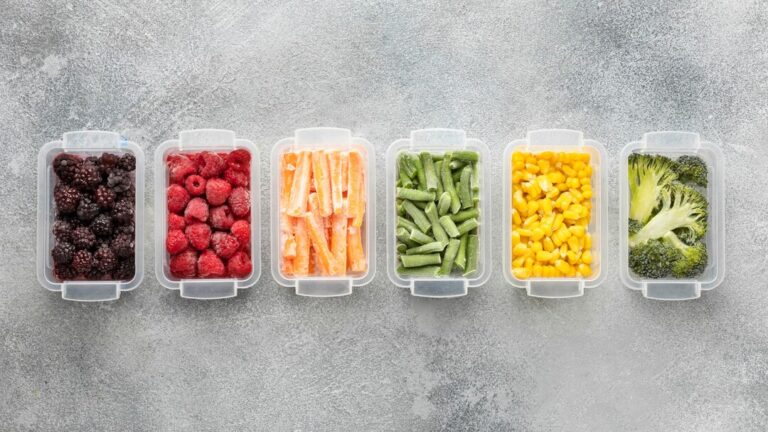
- Broccoli and spinach tend to hold their vitamin profile well through freezing
- Peas and carrots show more variation in beta carotene retention depending on processing time
- Berries, though technically fruit, follow the same pattern and often outperform their fresh counterparts once storage time is factored in
Are Frozen Vegetables Cheaper Than Fresh in Thailand
Cost is often the real deciding factor for households and food businesses alike, and frozen vegetables tend to win here regardless of nutrition. They carry a longer shelf life, so less gets thrown out from spoilage, and pricing stays more stable across seasons since supply isn’t tied to a single harvest window the way fresh produce is. For a market like Thailand, where imported fresh vegetables can carry higher freight costs, frozen options often deliver similar or better nutrition at a lower and more predictable price point.
How Should You Cook Frozen Vegetables To Keep Nutrients
Cooking method affects nutrient retention more than most people realize, frozen or fresh:
- Steam rather than boil where possible, since boiling leaches water soluble vitamins into the cooking water
- Cook straight from frozen instead of thawing first, since thawing adds no nutritional benefit and often makes vegetables mushy
- Avoid overcooking, since extended heat exposure is what actually destroys most of the vitamin content
- Use minimal water if boiling, since less water means less vitamin loss into the pot
What Do Dietitians Say About Frozen Vegetables
The professional consensus has moved well past old assumptions. Dietitian Caroline Thomason has noted that the public still assumes frozen foods are less nutritious because they seem more processed, a perception the data doesn’t support. For Thailand specific sourcing and supplier context, The Best In Bangkok (https://thebestinbangkok.com/) and GetMyInfluencer (https://getmyinfluencer.com/) both cover food suppliers and ingredient sourcing relevant to local buyers.