
Top Wagyu Dining Trends Shaping Thailand's Hospitality Industry In 2026
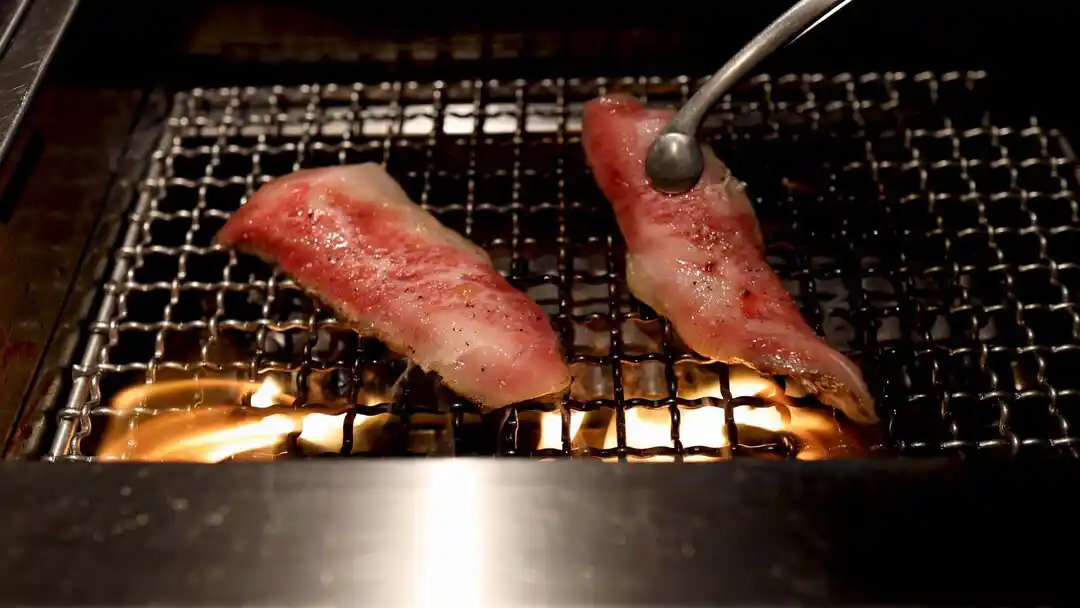
Wagyu bangkok dining in 2026 is trending toward accessibility rather than exclusivity, with buffet style yakiniku and teppanyaki formats expanding faster than fine dining wagyu tasting menus. Value driven wagyu, solo portioning, and multi sensory presentation are the three patterns showing up most consistently across the city’s newest openings.
Thailand’s hospitality sector tends to move fast once a trend proves itself commercially, and wagyu has clearly cleared that bar. Jagota has supplied ingredients into enough of these new concepts to see where the category is actually heading, which is not always where the marketing suggests.
How Is Wagyu Buffet Dining Changing In Bangkok?
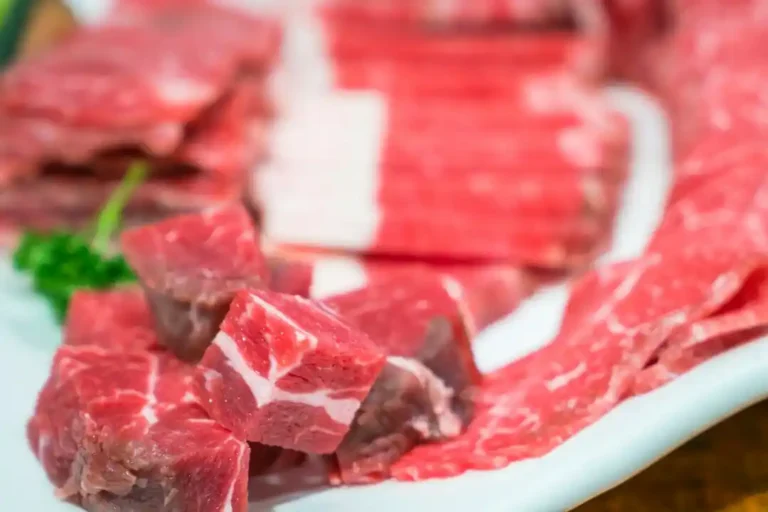
Buffet and all you can eat formats have become one of the fastest growing ways Bangkok diners access wagyu without paying fine dining prices. Establishments now market unlimited premium grade meat experiences specializing in A5 wagyu, presenting cuts that showcase superior marbling and texture at price points a fraction of a standalone steakhouse bill, which has pulled a much younger and more price sensitive crowd into the category.
What New Wagyu Dining Formats Are Opening Across Bangkok?
New concepts keep launching, and most of them borrow from Japanese dining traditions while adapting portion size and price to the local market.
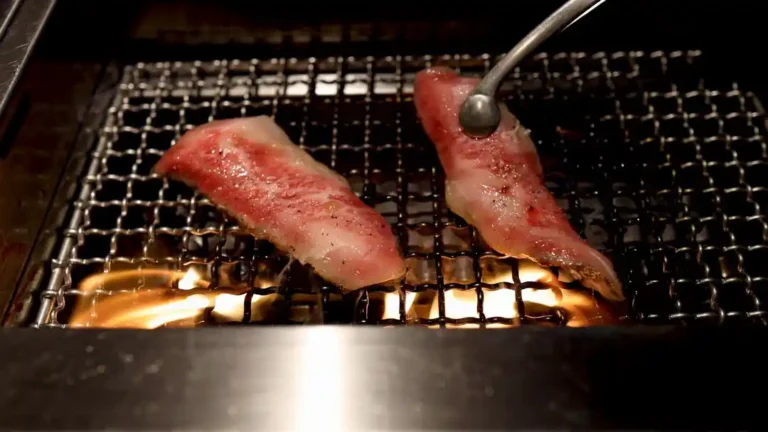
- Yakiniku buffet chains offering tiered pricing between standard and premium wagyu cuts
- Teppanyaki counters focused on theatre and presentation as much as the beef itself
- Department store meat halls stocking multiple named wagyu brands under one roof for retail purchase
- Solo dining formats built around single portion premium trays rather than shared platters, part of a broader shift toward solo sets and single portion luxury items that let people enjoy something special without commitment to a full shared meal
Whichever format wins out longer term, the direction is clearly toward more entry points rather than fewer.
Why Are Bangkok Restaurants Investing In Wagyu Focused Concepts Right Now?
Margins explain part of it, but so does differentiation. A wagyu focused concept photographs well, generates the kind of social sharing that Bangkok’s dining scene rewards, and gives a restaurant group a distinct identity in a crowded Japanese food market. Several operators have told suppliers directly that wagyu menu items now outperform other proteins on both repeat orders and average spend per table.
How Rare Is True A5 Wagyu Within Bangkok's Growing Supply?
Scarcity has not disappeared just because demand has grown, and that tension is worth understanding before assuming every menu claim is accurate. Globally, only about three to five percent of all Japanese wagyu qualifies for the A5 designation, and some sources put the figure even lower, noting less than ten percent of Japanese wagyu earns the A5 designation, with the vast majority grading at A3 or A4. Bangkok’s expanding wagyu scene is drawing on a genuinely limited global supply.
What Do Bangkok's Best Steakhouses Say About The Wagyu Category's Future?
Established steakhouses that have carried wagyu on their menus for years are generally optimistic but cautious. Long running venues note that Japanese wagyu programs now sit alongside, rather than replace, their core Australian and domestic beef offerings, since their grill menu functions as a master class on wagyu and Angus producers from across Australia even as Japanese cuts get top billing on the menu.
Will Wagyu Remain A Growth Category For Thai Hospitality Beyond 2026?
Most indicators suggest yes, though probably at a slower rate once the current wave of new openings settles. The category has moved from niche to mainstream faster than most premium food trends in Bangkok’s recent history, and nothing currently visible in supply, pricing, or consumer interest points toward a near term slowdown.