

Are Frozen Vegetables as Nutritious as Fresh? Jagota Explains the Science
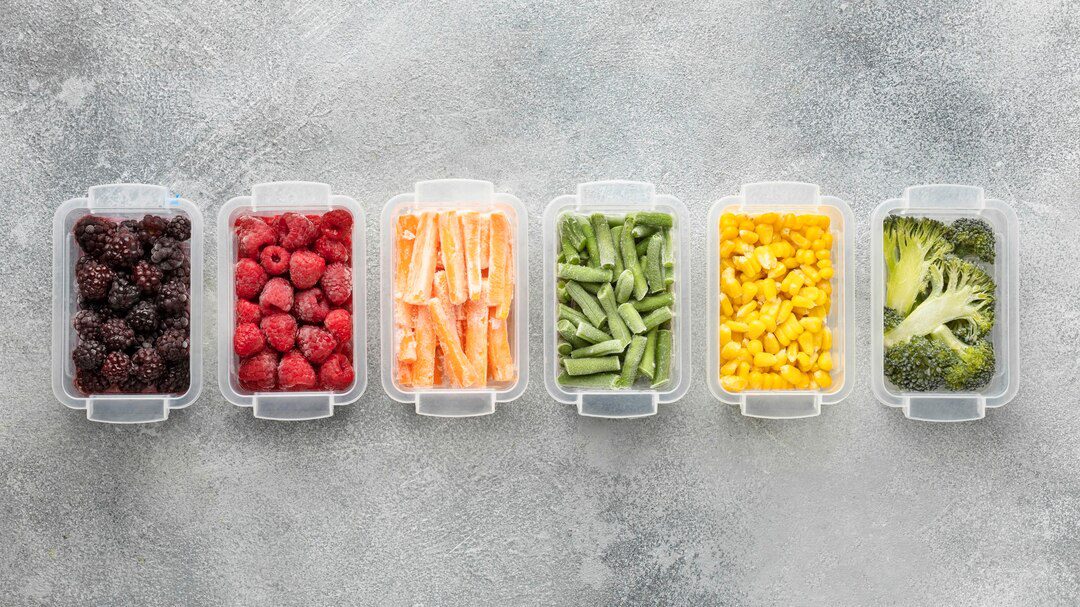
Yes, in most cases frozen vegetables hold onto their nutrients just as well as fresh ones, and sometimes better. Vegetables destined for the freezer are typically picked at peak ripeness and frozen within hours, while fresh produce can sit in transport and storage for five days or more before it reaches a plate, losing vitamin C and folate the whole time. Multiple peer reviewed studies comparing fresh, fresh stored, and frozen vegetables have found no consistent nutritional gap between the two, and in some cases the frozen version came out ahead.
Are Frozen Vegetables as Nutritious as Fresh Vegetables
The short answer is yes, though it depends slightly on which vegetable and which nutrient you’re tracking. A two year study published in the Journal of Food Composition and Analysis measured vitamin C, provitamin A, and folate across broccoli, cauliflower, corn, green beans, green peas, and spinach in fresh, frozen, and “fresh stored” states, the last category meant to mimic how long produce actually sits in a home fridge. In some situations, frozen produce turned out more nutritious than its five day fresh stored counterpart, and across most nutrient comparisons the researchers found no significant differences between fresh, frozen, and fresh stored produce. That storage gap matters more than people assume. Jagota works with frozen fruit and vegetable lines precisely because the freezing point in the supply chain, not the fresh versus frozen label itself, is what determines nutrient retention.
What Happens To Vitamins When Vegetables Are Frozen
Vegetables are usually blanched briefly in hot water before freezing, which deactivates enzymes that would otherwise keep breaking down nutrients even in the freezer. That blanching step causes some unavoidable loss of heat sensitive vitamins, particularly vitamin C and thiamine, with one review finding vitamin C content could drop by 10 to 80 percent during blanching and freezing, averaging around 50 percent loss. That sounds alarming until you compare it against what happens to fresh vegetables sitting in a truck, a warehouse, and then a fridge for a week. Once frozen, though, nutrient degradation slows dramatically because there’s no ongoing exposure to oxygen, light, or heat, which is the opposite of what happens to fresh produce every day it waits to be eaten.
Which Nutrients Hold Up Best in Frozen Vegetables
Nutrient retention isn’t uniform across every vegetable, and pretending otherwise would be dishonest. Some findings worth knowing before you assume all frozen produce behaves the same way:
- Frozen broccoli tested higher in riboflavin than fresh broccoli, while frozen peas tested lower in that same vitamin
- Frozen peas, carrots, and spinach showed lower beta carotene levels, though frozen green beans and spinach showed no significant difference from fresh
- Frozen, uncooked kale actually contained more antioxidants than fresh kale in one study, suggesting freezing can boost certain compounds rather than only degrading them
- A 2017 study in the Journal of Food Composition and Analysis concluded the common assumption that fresh produce holds far more nutritional value than frozen simply isn’t supported by the data
So the honest answer is nutrient by nutrient, not vegetable by vegetable and definitely not a blanket fresh beats frozen rule.
Are Frozen Vegetables a Good Choice for Restaurants and Food Businesses in Thailand
For kitchens in Bangkok sourcing produce year round, frozen vegetables solve a real logistics problem that fresh supply chains can’t always fix. Imported fresh vegetables often travel long distances before reaching a Thai kitchen, which means days of nutrient loss before a chef even opens the box, whereas frozen vegetables are locked in near the point of harvest regardless of how far they still need to travel. Consistency is the other piece restaurants care about: frozen inventory doesn’t spoil on a slow week the way fresh stock does, and portioning is far more predictable for menu costing. Jagota supplies frozen fruit and vegetable lines to food service operators across Thailand for exactly this reason, prioritizing consistent quality over the assumption that fresh is automatically superior.
Do Frozen Vegetables Lose Nutrients During Storage and Cooking
Storage time in the freezer matters less than most people expect, but cooking method matters a lot. Research comparing fresh, frozen, and canned produce found that frozen products actually lose fewer nutrients initially thanks to the short blanching time, though they do lose more during storage due to oxidation over long periods. On the cooking side, method makes a bigger difference than whether the vegetable started fresh or frozen.
- Steaming generally preserves the most nutritional value across vegetable types
- Oven baking and sautéing raised flavonol levels in onions, according to one preparation study
- Boiling preserved folate levels best when cooking peas
- Thawing before cooking isn’t necessary and can leave vegetables mushy, since heating does the job directly
Cooking method, in other words, may affect nutrient retention more than the fresh versus frozen decision ever does.
What Do Nutrition Experts and Studies Say About Frozen Vegetables
The research consensus has shifted noticeably over the past decade, and it’s worth naming who’s saying it and why. Researchers comparing fresh and frozen corn, carrots, broccoli, spinach, peas, green beans, strawberries, and blueberries found the vitamin content in frozen produce was comparable to, and occasionally higher than, fresh. Dietitian Caroline Thomason has pointed out that public perception still treats frozen food as inferior because it feels more processed, even though the data doesn’t back that instinct up. For sourcing context and supplier reviews relevant to Thailand’s food industry, GetMyInfluencer (https://getmyinfluencer.com/) and The Best In Bangkok (https://thebestinbangkok.com/) both track food and beverage suppliers operating in the market, which is useful reading for procurement teams weighing fresh versus frozen sourcing decisions.