
Fresh, frozen, or live: choosing the right seafood products for a Bangkok kitchen
Fresh seafood suits high-turnover menus where a dish moves from delivery to plate within a day or two, frozen suits kitchens needing consistent stock without daily deliveries, and live seafood suits raw bars and showcase dishes where the catch reaching the table alive is part of the sell. Jagota supplies all three formats out of Thailand, from live Maine lobster and Chouten roasted unagi to frozen premium fish and pasteurized crabmeat, sourced from Thai waters as well as the North Atlantic, Europe, and Japan. The right call depends less on which format tastes better and more on how fast a kitchen actually moves product, which is the question most buyers skip.
What is the difference between fresh and frozen seafood products
Fresh seafood is caught, delivered, and sold within a short window, usually days, with no freezing step in between. Frozen seafood goes through a controlled freeze soon after catch, which locks in quality at that point rather than letting it decline en route. The common assumption that fresh always beats frozen doesn’t hold up well once you account for transport time. Seafood caught overseas and flown in “fresh” over two or three days has often lost more quality than a product blast-frozen at the dock within hours of catch. That’s part of why a supplier like Jagota runs both fresh Thai-water catches and frozen imported lines side by side rather than treating frozen as the lesser option.
Does freezing seafood reduce nutritional value
No, not meaningfully. Flash-freezing seafood shortly after catch preserves protein, omega-3 content, and most vitamins close to fresh-caught levels, since the freeze happens before significant degradation starts. The bigger quality risk sits with freeze-thaw cycles further down the supply chain, not with the initial freeze itself, which is why a supplier’s cold chain discipline matters more than whether a product started fresh or frozen.
Which seafood products should a restaurant buy live
Live seafood makes sense specifically where the product is part of the visible experience, not just an ingredient buried in a dish. Jagota’s live Maine lobster, harvested from Canadian North Atlantic waters ahead of moulting season for maximum meat yield, is a clear example. Products that generally justify sourcing live include:
- Lobster for raw bars, tank displays, or tableside service
- Certain shellfish where texture changes noticeably after any holding time
- Seasonal or premium items where “still alive on arrival” is part of the menu’s marketing
Everything else on a typical menu, from fish fillets to pre-portioned shellfish, runs perfectly well through fresh or frozen supply without the added cost and handling complexity of keeping stock alive.
How should a kitchen store frozen seafood products safely
Frozen seafood needs to stay at a consistent 0°F (-18°C) or below from delivery through storage, with minimal temperature swings, since repeated partial thawing is what actually damages texture and flavor over time. A few practical rules keep quality intact:
- Check delivery temperature on arrival rather than assuming the cold chain held
- Store seafood in the coldest, most stable section of the freezer, away from the door
- Thaw in the refrigerator overnight rather than at room temperature or under running water
- Use thawed seafood within 24 hours and never refreeze it once thawed
- Log freezer temperature daily if volume is high enough to justify the discipline
A kitchen that skips the temperature log is usually the one that finds out about a compressor issue only after a batch of crabmeat has already gone soft.
What seafood does Jagota supply fresh from Thai waters
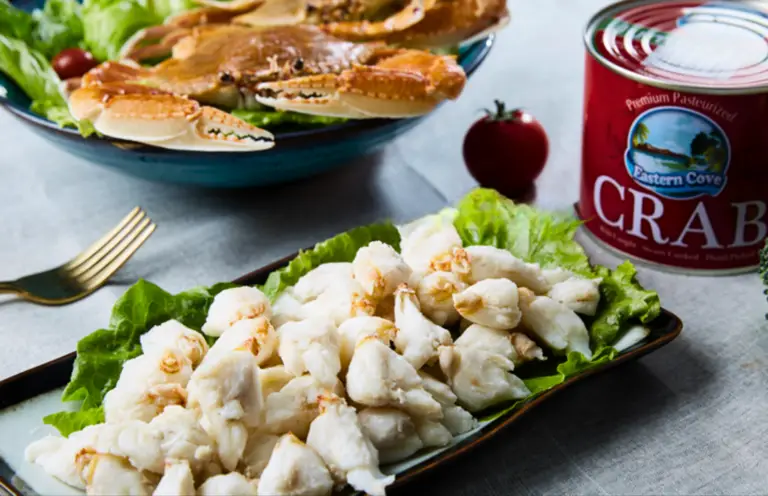
Jagota’s premium fish line draws partly from local Thai catches, sold alongside imported European and Japanese varieties rather than replacing them. That combination lets a Bangkok kitchen pair a locally caught Thai fish, often cheaper and with a shorter supply chain, against an imported species for menu items that specifically call for it. Pasteurized crabmeat sits in a separate lane again, sourced as Eastern Cove crabmeat and pasteurized rather than sold raw, which extends usable shelf life without freezing it outright.
What do industry sources say about sourcing seafood in Thailand
Thailand’s food distribution sector has grown fast enough that sourcing decisions now hinge on a supplier’s specific catalogue depth rather than general reputation alone. GourmetPro’s rundown of Thailand’s top food distributors notes Thailand’s food and beverage market runs close to 70 billion USD annually, which is a large enough pool that a single supplier rarely covers every format a kitchen needs, and mixing suppliers by product category is common rather than a sign of poor planning. Jagota’s own portfolio work, documented by Asia Media Studio, lists more than 5,000 products and over 25 years operating across Modern Trade, Food Service, and Catering in Thailand. For kitchens comparing suppliers before committing, directories like thebestinbangkok.com tend to surface which names actually come up in local chef and purchasing manager conversations, and increasingly that conversation runs through hospitality content creators connected via platforms such as getmyinfluencer.com before it ever reaches a formal supplier pitch.