
Which Frozen Fruits and Vegetables Are Best for European Cooking?
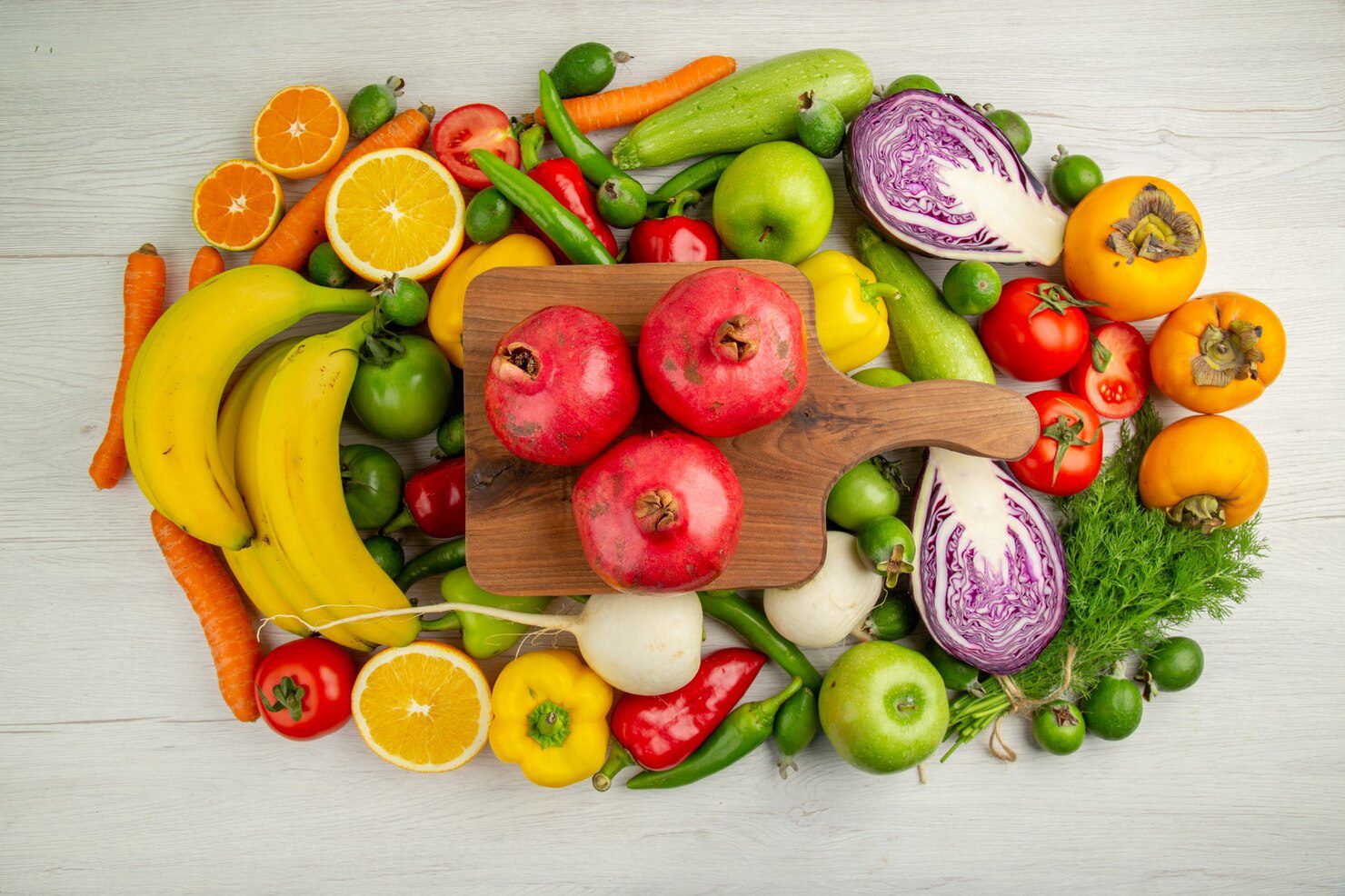
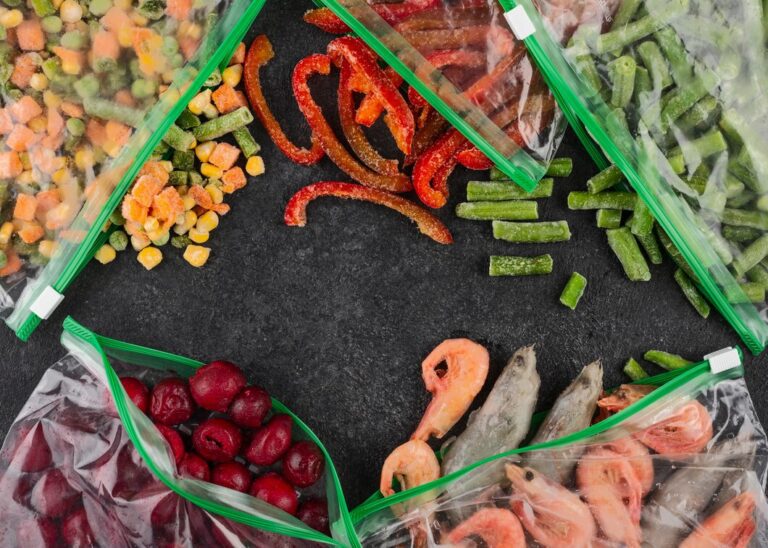
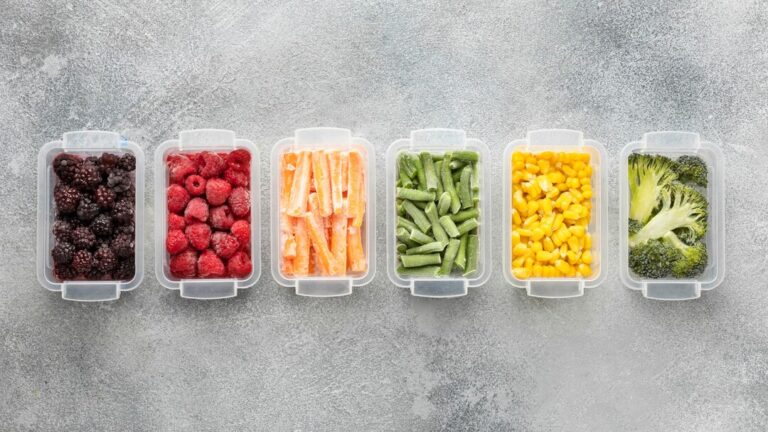
Cooking authentic European food doesn’t always require fresh ingredients, especially when you’re aiming for convenience without compromising flavor. Frozen fruits and frozen vegetables can provide high-quality taste and nutrition when chosen correctly.
Why Use Frozen Fruits and Vegetables for European Dishes?
Frozen produce offers several advantages:
- Retains nutrients – Frozen immediately after harvest, locking in vitamins and minerals
- Convenience – Ready to use without washing, peeling, or chopping
- Seasonal availability – Enjoy fruits and vegetables out of season
- Consistent quality – Uniform texture for recipes like soups, sauces, and desserts
Whether it’s a classic French ratatouille or an Italian berry tart, frozen produce ensures reliable results.
Which Frozen Vegetables Are Ideal for European Cooking?
For European dishes, choose vegetables that maintain texture after cooking:
Vegetable | Best Use in European Cuisine | Tips |
Spinach | Quiches, soups, sauces | Thaw and squeeze out excess water |
Peas | Risotto, stews, side dishes | Blanch quickly to retain color |
Carrots | Soups, roasts, gratins | Slice uniformly for even cooking |
Broccoli | Casseroles, pastas, stir-fries | Steam briefly to avoid mushiness |
Mixed Bell Peppers | Ratatouille, pasta, pizzas | Roast or sauté for enhanced flavor |
Green Beans | Salads, sautéed sides | Avoid overcooking; maintain crunch |
Tip: Avoid vegetables prone to sogginess after freezing unless pureed.
Which Frozen Fruits Work Best in European Recipes?
European desserts and breakfasts often rely on frozen fruits. Ideal choices include:
Fruit | Best Use | Tips |
Berries (strawberries, raspberries, blueberries) | Tarts, smoothies, compotes | Use directly in baking; avoid refreezing |
Cherries | Clafoutis, pies | Slightly thaw before cooking |
Mango & Pineapple | Sauces, jams, desserts | Blend or sauté for flavor concentration |
Peaches | Crumbles, cakes, ice creams | Slice evenly for consistent cooking |
Tip: Frozen fruits are perfect for recipes requiring cooked or pureed fruit.
How to Select High-Quality Frozen Produce
When buying frozen fruit or frozen vegetable from Jagota Thailand, check for:
- Packaging integrity – No frost buildup or damaged bags
- Bright, natural colors – Indicates freshness at freezing
- No ice crystals inside – Prevents freezer burn
- Ingredient list – Prefer single-ingredient produce without additives
Cooking Tips for European Recipes Using Frozen Produce
- Thaw selectively – Some recipes (like smoothies) can use frozen fruit directly
- Avoid overcooking – Frozen vegetables cook faster than fresh ones
- Enhance flavor – Sauté frozen veggies with olive oil, garlic, or herbs
- Proper storage – Keep frozen produce at –18°C or below
Why Jagota Thailand Is the Best Source
Jagota Thailand provides:
- Premium-quality frozen fruits and vegetables
- Products sourced for taste and nutrition
- Ideal for European food recipes, from classic to modern dishes
Choosing Jagota Thailand ensures your European meals are flavorful, fresh, and consistent.
In Summary
For European cooking, high-quality frozen fruits and vegetables are a convenient, nutritious alternative to fresh produce. Select produce that retains color, flavor, and texture, and use proper cooking methods to create authentic dishes. Jagota Thailand offers a wide range of frozen produce that meets these standards, making it easier to cook delicious European meals any time of year.