
Frozen Vegetables 101: How Jagota Preserves Freshness From Farm To Freezer
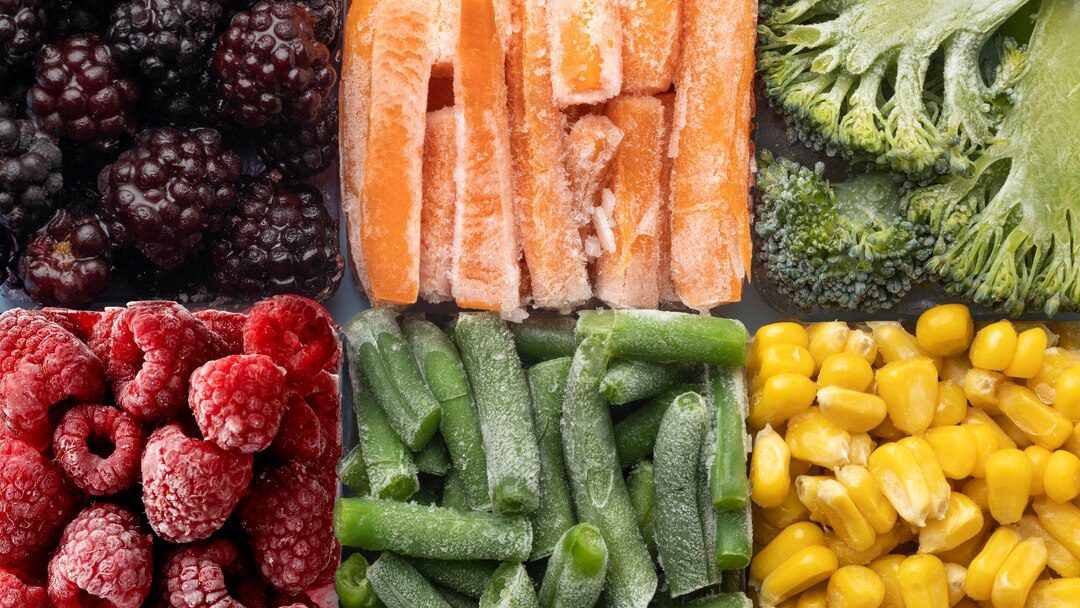
Frozen vegetable quality comes down almost entirely to freezing speed. Individual quick freezing, commonly called IQF, freezes each piece separately within minutes of harvest, forming small ice crystals that protect cell structure and lock in nutrients far more effectively than slow, block style freezing methods.
Frozen vegetables carry an unfair reputation for being a lesser option compared to fresh produce, and it is worth addressing that directly before getting into the mechanics of preservation. Jagota sources and distributes frozen vegetable products across Thailand’s food service sector, and the science behind modern freezing methods tells a more interesting story than the stigma suggests.
What Actually Happens When A Vegetable Is Flash Frozen?
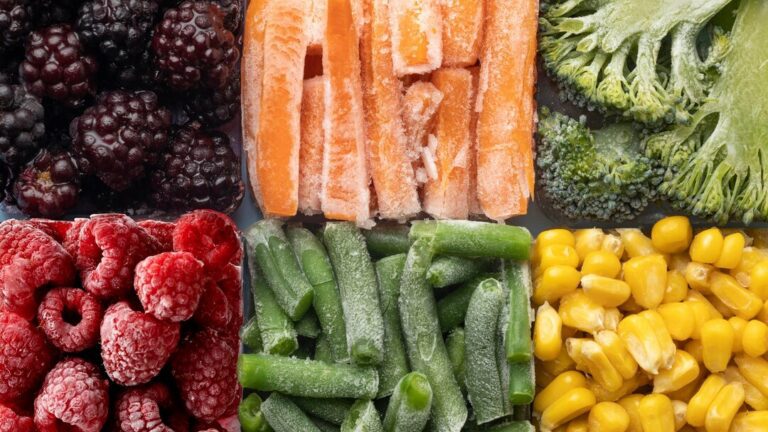
The process is faster and more precise than most people picture when they hear the word frozen. Vegetables are typically harvested at peak ripeness, briefly blanched, and then frozen within hours using extremely cold air or cryogenic liquid nitrogen, since IQF freezing typically uses temperatures between negative thirty and negative forty degrees Celsius, rapidly freezing products in as little as twenty minutes. That speed is the entire point, because it prevents the large ice crystals that damage cell walls during slower freezing.
Do Frozen Vegetables Really Retain More Nutrients Than Fresh Produce?
This claim sounds like marketing, but the research behind it holds up reasonably well. A study published in the Journal of Food Science found that frozen fruits and vegetables can be just as nutritious as their fresh counterparts, and in some cases even more so, with frozen berries showing higher levels of antioxidants and anthocyanins. The explanation is straightforward once you consider the alternative, since fresh produce sold in stores has often traveled and sat for days before reaching a plate, while frozen vegetables are typically locked in within hours of harvest.
What Is The Difference Between IQF Freezing And Traditional Block Freezing?
The distinction matters more than most buyers realize, and it directly affects texture as well as nutrition. IQF freezes each piece individually and separately, while block freezing groups product together and freezes it more slowly over a longer period.
- IQF produces smaller ice crystals, resulting in better texture and less mushiness after thawing
- Block freezing is generally cheaper to produce but causes more cell structure damage
- IQF allows easy portioning since pieces remain separate rather than fused into a solid mass
- Cryogenic IQF methods using liquid nitrogen offer the fastest freezing but come at a higher production cost
For food service buyers, the format choice usually comes down to balancing budget against the texture and consistency a specific dish requires.
How Long Can Frozen Vegetables Be Stored Without Losing Quality?
Shelf life depends heavily on maintaining a consistent freezer temperature, and this is where a lot of quality loss actually happens after the initial freeze. Properly stored IQF vegetables kept at negative eighteen degrees Celsius or below typically hold quality for eighteen to twenty four months, provided the cold chain is not interrupted between production and final use.
Why Do Restaurants And Caterers Prefer IQF Vegetables Over Fresh Bulk Produce?
Consistency is the main draw, followed closely by reduced waste. A kitchen working with IQF product gets the same quality and portion size every time, regardless of season, and does not lose usable stock to spoilage the way bulk fresh produce often does when demand fluctuates. That reliability tends to matter more to a busy commercial kitchen than the marginal texture difference some chefs still associate with fresh produce.
What Should Food Service Buyers Check When Sourcing Frozen Vegetables?
Not all frozen vegetable suppliers operate at the same standard, and the difference shows up in the final dish. Buyers should ask whether product is IQF or block frozen, confirm cold chain handling from factory to delivery, and check that storage temperatures have remained consistent throughout transit rather than fluctuating during transport, since even brief warming can trigger the ice crystal damage that IQF processing was designed to prevent in the first place.