
Are Imported Meats Safer and More Nutritious Than Local Meat?
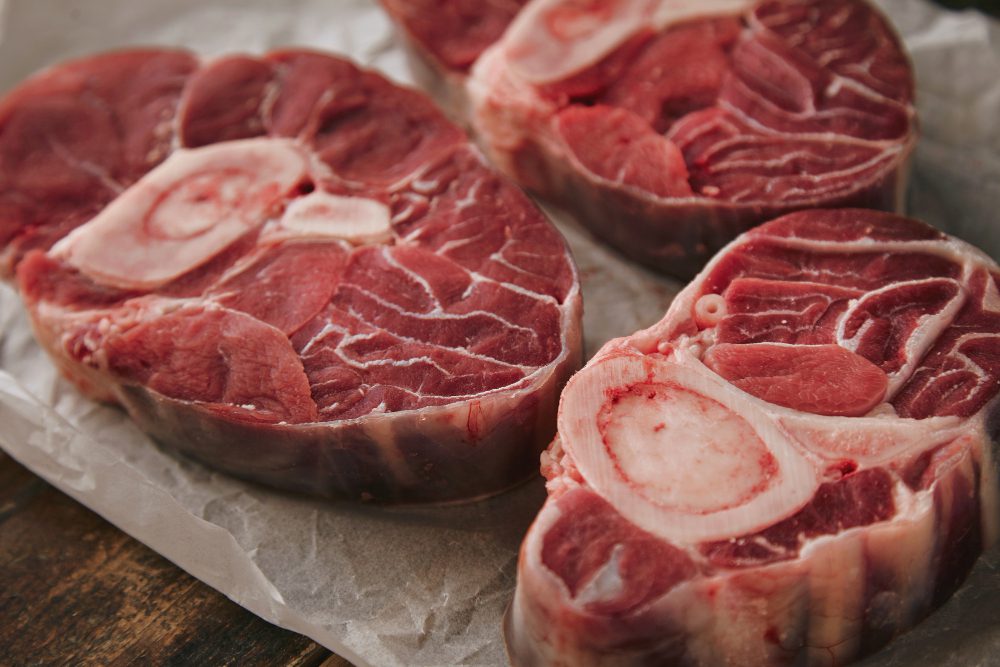
When it comes to choosing meat for your meals, many people wonder: is imported meat truly safer and more nutritious than locally sourced options? Let’s break it down step by step, answering the questions most consumers ask.
Are Imported Meats Safer Than Local Meat?
Imported meat generally follows international safety standards, which may be stricter than local regulations in some countries. Safety factors include:
- Antibiotic and Hormone Control: Imported meats often adhere to strict limits on hormone and antibiotic use.
- Disease Prevention: Countries exporting meat often have robust animal health monitoring programs.
- Inspection Standards: Meat must pass multiple safety checks before export.
However: Local meat can also be very safe, especially when sourced from trusted farms with good hygiene practices.
Is Imported Meat More Nutritious?
Nutrition depends on the type of animal feed, rearing conditions, and processing methods. Some advantages of imported meat include:
- Consistent Nutritional Profile: Exporting countries maintain uniform feed and growth practices.
- Higher Omega-3 Content: Some imported meats, like grass-fed beef from certain countries, can have better omega-3 levels.
- Fortification: Occasionally, imported meats may be enriched or processed to retain vitamins.
Yet, local meats, especially organic or pasture-raised, can also offer excellent nutrition.
How Does the Price of Imported Meat Compare to Local Meat?
Imported meat usually costs more due to:
- Shipping and logistics
- Import duties and taxes
- Compliance with international safety standards
Local meat tends to be cheaper and fresher, but may vary in quality depending on the source.
What Are the Labeling Differences?
Imported meat often comes with detailed labeling, including:
- Country of origin
- Slaughter date and expiry
- Certification codes and inspection stamps
Local meat may have less detailed labeling, but many reputable local suppliers also provide clear information.
How Should You Store Imported Meat?
Proper storage is essential for safety and nutrition:
- Refrigeration: Keep at 0–4°C and consume within 3–5 days.
- Freezing: For longer storage, freeze at -18°C or lower.
Avoid Cross-Contamination: Use separate utensils and surfaces for raw and cooked meats.
Can Imported Meat Be Trusted for Quality?
Yes, but only if purchased from certified suppliers. Tips for ensuring quality include:
- Check for certification marks and origin labels.
- Buy from trusted supermarkets or online stores.
- Inspect packaging for tampering or damage.
Should You Choose Imported Meat Over Local Meat?
The choice depends on your priorities:
| Factor | Imported Meat | Local Meat |
|---|---|---|
| Safety | Often higher standards | Depends on farm practices |
| Nutrition | Consistent, sometimes enriched | Fresh, may vary |
| Price | Higher | Lower |
| Traceability | Excellent | Varies |
Many consumers choose a mix of imported and local meat to balance quality, nutrition, and cost.