
How Should Imported Meat Be Stored and Prepared at Home?
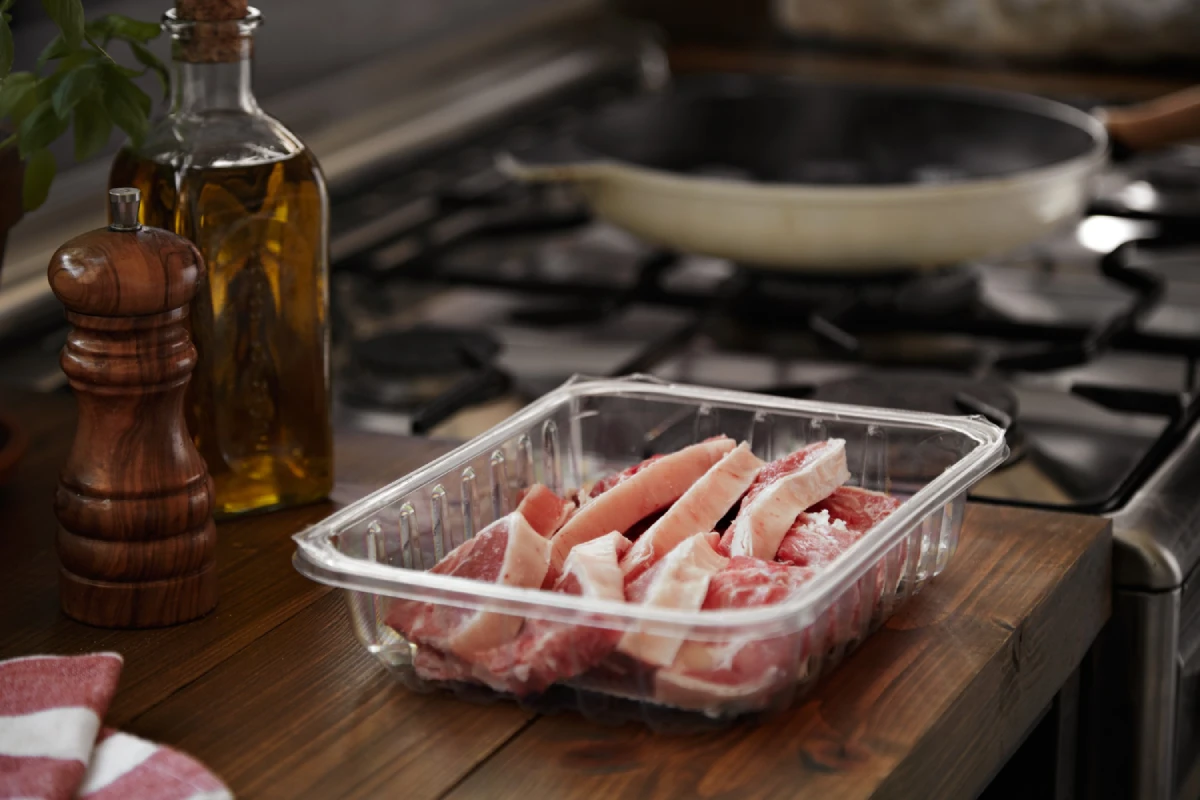
Imported meat offers premium quality and flavor, but handling it correctly is crucial to ensure safety and taste. Here’s a complete guide to storing and preparing imported meat at home.
1. What is Imported Meat and Why Proper Storage Matters?
Imported meat refers to beef, chicken, lamb, or other meats brought in from other countries under strict regulations. Proper storage prevents bacterial growth, maintains quality, and ensures the meat remains safe to eat.
2. How Should Imported Meat Be Stored in the Refrigerator?
- Keep meat in its original vacuum-sealed packaging.
- Store at 0–4°C (32–39°F).
- Place meat on the bottom shelf to prevent juices from contaminating other foods.
- Use within 3–5 days for fresh imported meat.
3. Can Imported Meat Be Frozen?
Yes. Freezing is ideal for long-term storage:
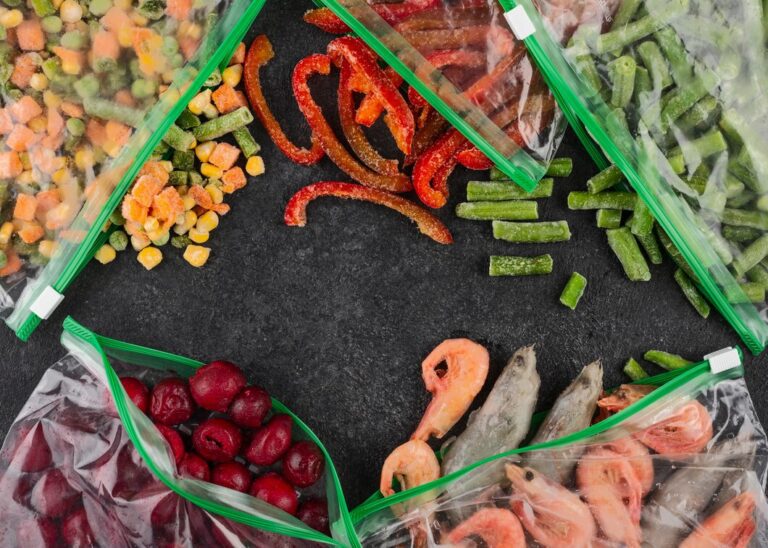
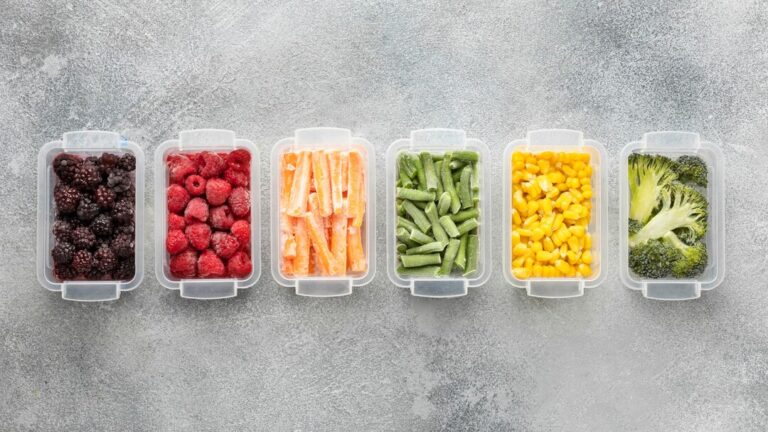
- Wrap meat tightly in freezer-safe packaging.
- Label with date and type of meat.
- Store at -18°C (0°F) or lower.
Most imported meat stays fresh up to 6–12 months frozen, depending on type.
4. What is the Best Way to Thaw Imported Meat?
- Refrigerator thawing: Place frozen meat in the fridge for 12–24 hours. Safest method.
- Cold water thawing: Seal in a leak-proof bag and submerge in cold water; change water every 30 minutes.
Avoid thawing at room temperature, as it increases bacterial growth risk.
5. How to Handle Imported Meat to Avoid Contamination
- Wash hands before and after handling meat.
- Use separate cutting boards for meat and vegetables.
- Clean knives, surfaces, and utensils thoroughly after contact.
6. How Should Imported Meat Be Cooked for Safety?
Cook meat to safe internal temperatures:
- Beef & lamb steaks: 63°C (145°F)
- Ground meat: 71°C (160°F)
- Chicken & turkey: 74°C (165°F)
Use a meat thermometer to ensure accuracy.
7. Can Leftover Imported Meat Be Stored Safely?
- Cool leftovers quickly (within 2 hours).
- Store in airtight containers in the fridge for up to 3 days.
- Reheat thoroughly before eating.
8. Tips to Maintain Quality and Flavor of Imported Meat
- Avoid refreezing thawed meat.
- Marinate meat in the fridge, not at room temperature.
- Let meat rest after cooking for juicier, flavorful results.
Conclusion
Proper storage and preparation of imported meat ensures safety, preserves flavor, and prevents foodborne illnesses. Following these tips makes cooking imported meat at home easy and enjoyable.