
Why Premium Wagyu Beef Is Booming in Bangkok's Luxury Dining Scene
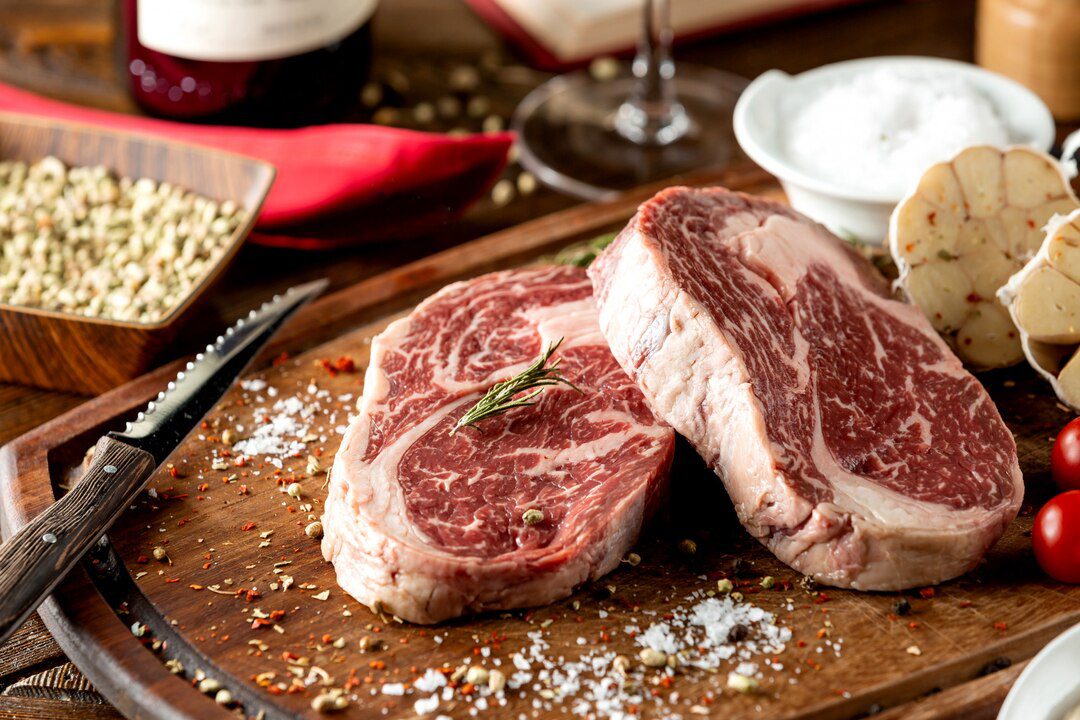
Wagyu bangkok menus have moved from rare novelty to near standard fare at the city’s higher end restaurants over the past two years, driven by rising disposable income among younger diners, a growing appetite for solo luxury indulgences, and a wave of new teppanyaki, yakiniku, and steakhouse concepts competing for the same well traveled crowd. The short answer is that Bangkok’s wagyu boom reflects both genuine culinary demand and a broader shift toward experiential, photograph ready dining. it gets blended, cooked, or reduced, while fresh fruit still wins for raw, visible presentations like garnishes and fruit platters. The split isn’t about preference so much as practicality, since frozen fruit removes seasonal price swings and spoilage risk for the dishes where raw texture doesn’t matter anyway. Chefs who’ve worked both ways tend to land on a hybrid approach rather than an absolute one.
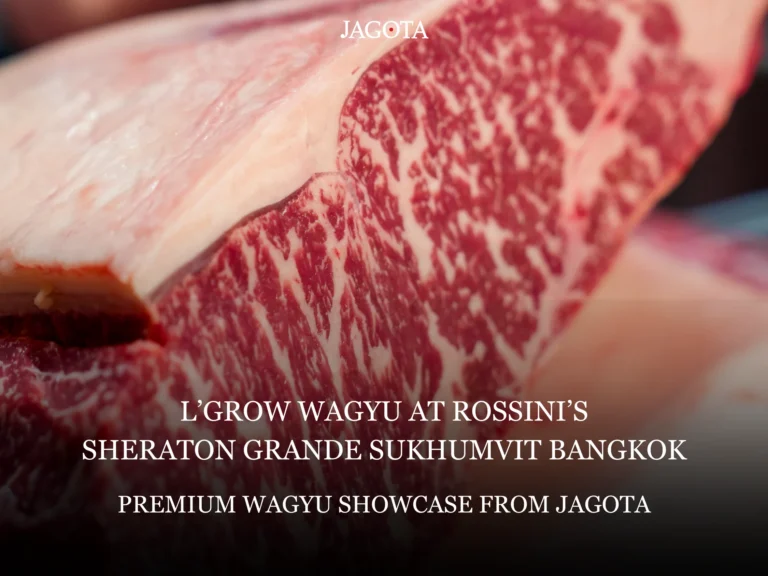
Bangkok has always had an appetite for spectacle at the table, but wagyu occupies a strange middle ground between everyday indulgence and once a year splurge. Jagota has watched this shift play out across its own client base of hotels, teppanyaki counters, and yakiniku groups, many of whom now list wagyu not as a specialty item but as a core menu category. What is happening in Bangkok right now is less a fad and more a structural change in how the city eats.
What Is Driving The Wagyu Beef Boom In Bangkok's Restaurants?
A handful of forces are converging at once, and none of them look temporary. Bangkok’s dining culture has always rewarded novelty, but wagyu now sits at the intersection of a few distinct consumer trends.
- A rising number of single diners and smaller households are paying up for individual portions of high grade beef rather than sharing a whole steak, a pattern industry trend reports describe as the shift toward “solo sets” of premium dining experiences featuring wagyu beef as street food evolves into higher end offerings
- Social media driven demand for visibly marbled cuts, sizzling teppanyaki tables, and the theatre of tableside grilling
- A growing base of Bangkok residents who have traveled to Japan and now want that experience closer to home
- Hotel groups repositioning their in house restaurants around wagyu as a point of differentiation
None of this happened overnight, and much of it traces back to Bangkok’s steakhouse and Japanese dining scenes maturing in parallel over the last decade.
Why Are Bangkok Diners Paying More For Authentic Japanese Wagyu?
Price tolerance has shifted noticeably. Diners who once balked at four figure baht steak bills now treat a well marbled Japanese cut as a legitimate special occasion purchase rather than an indulgence reserved for Tokyo trips. Part of this comes down to trust in provenance, since wagyu literally means Japanese cow, referring to four native breeds of beef cattle known for a high percentage of unsaturated fat and omega 3 and 6, and the term also covers specific ways of raising and feeding that distinguish it from other cattle, a distinction Bangkok’s more informed diners have started to care about.
Which Bangkok Neighborhoods Have The Highest Concentration Of Wagyu Restaurants?
Wagyu dining in Bangkok is not spread evenly across the city. It clusters around a handful of areas where foot traffic, hotel density, and spending power line up.
- Sukhumvit, particularly around Thonglor and Ekkamai, home to a dense cluster of yakiniku and teppanyaki concepts
- Chitlom and Central Embassy, where hotel steakhouses such as the Park Hyatt’s Penthouse Bar and Grill has been a mainstay of Bangkok’s steakhouse scene since opening nearly ten years ago, focused on parrilla grilled Australian steaks alongside Japanese wagyu
- The new retail and dining precincts around One Bangkok, where department style meat halls now stock four legendary wagyu varieties from Japan including Kobe beef, known for its fine marbling that melts in the mouth, and Matsusaka beef, referred to as the queen of wagyu
- Pratunam and Ratchathewi, where more accessible yakiniku buffet formats have brought wagyu to a broader price bracket
Anyone tracking Bangkok’s dining map over the last three years would notice these pockets expanding outward rather than staying contained.
How Does Wagyu Grading Affect What Bangkok Restaurants Serve?
Grading matters more in Bangkok than most diners realize, and it explains a lot of the price gap between menus that look similar on paper. Most restaurants serving true Japanese wagyu will specify a grade, commonly A4 or A5, since the Japan Meat Grading Association evaluates carcasses on yield grade from A to C and quality grade from one to five, with grade five representing the highest quality based on marbling score, color, brightness, and texture. Bangkok kitchens sourcing genuine A5 are working with a genuinely scarce product, not a marketing label.
What Should Diners Look For When A Bangkok Menu Lists Wagyu?
Not every dish labeled wagyu in Bangkok is what it claims to be, and that gap has become a real concern for anyone spending serious money on a steak. The word itself carries no legal protection outside Japan, so restaurants can and do use it loosely.
- Ask whether the beef is Japanese A4 or A5, Australian wagyu cross, or a Thai wagyu hybrid, since these are genuinely different products at different price points
- Look for a stated breed or prefecture, since local Thai wagyu crossbreeds using Holstein and other cattle can thrive well domestically but still produce a different eating experience than purebred Japanese cattle
- Be wary of suspiciously cheap “wagyu” cuts, since mass consumption has led to artificial marbling, a process of injecting fat into red meat to make it appear more succulent than it naturally is
- Check whether the restaurant can name its supplier or importer, since kitchens working with established distributors tend to be more transparent about sourcing
A little skepticism at the table goes a long way when the price difference between real and imitation wagyu can be threefold or more.
Is The Bangkok Wagyu Trend Expected To Continue Through 2026?
Most signs point to growth rather than a plateau. Industry trend forecasting for Bangkok’s food and beverage sector for 2026 specifically flags the shift from street side staple dishes toward premium dining experiences featuring wagyu beef as one of the defining movements in the city’s restaurant scene. Whether that holds through an economic downturn is a fair question, but nothing in the current data suggests demand is cooling.